Understanding the Importance of Screen-Free Play
In our rapidly evolving digital world, screens are omnipresent, infiltrating our daily lives and creating a complex relationship with playtime for children. While technology has remarkable educational potential, the overwhelming exposure to screens can hamper the development of essential skills in young minds. To encourage a holistic growth environment, parents and caregivers are increasingly advocating for screen-free play. To explore a broad range of engaging options, you can visit the website for curated toy recommendations and insights.
The Impact of Screens on Children
The impact of screens on children's development is profound and multifaceted. Excessive screen time has been linked to a range of issues, including decreased attention spans, increased anxiety, and impaired social skills. The American Academy of Pediatrics offers guidelines suggesting that children aged 2 to 5 should engage with screens for no more than one hour a day, while those younger than two should refrain from screen time altogether, barring video chatting.
Research indicates that high screen exposure can detract from activities that foster critical thinking, creativity, and social interaction. Moreover, it may contribute to a sedentary lifestyle, encouraging health issues such as obesity. Instead, screen-free play promotes physical activity, imaginative thinking, and opportunities for social engagement.
Benefits of Screen-Free Toys
Screen-free toys provide numerous benefits that nurture a child’s overall development. These toys often focus on tactile experiences, fostering fine motor skills as children manipulate pieces, stack building blocks, or create art.
Moreover, screen-free toys encourage problem-solving skills. A puzzle, for example, might challenge a child to think critically and devise strategies for completion. Additionally, many screen-free toys can enhance language skills as caregivers and children engage in conversations during playtime.
Another significant advantage is the enhancement of creativity and imagination. By allowing children to engage in open-ended play, they can explore their interests, handle challenges, and create narratives around their play experiences. This form of play is crucial for cognitive development.
Encouraging Creativity and Imagination
Creativity and imagination are integral to a child's well-being and success in school and life. Screen-free toys, with their diverse forms and functions, offer an essential platform for imaginative exploration. Building blocks can become castles or spaceships; art supplies can be transformed into masterpieces. The freedom seen in creative play empowers children to express themselves in unique ways, connecting them further to their peers, family, and surroundings.
To promote creativity, consider incorporating different types of play materials. Items like play dough, craft kits, and natural objects can stimulate children’s imaginations while challenging them to think outside the box. Moreover, encouraging children to discuss their creations can help them formulate thoughts and engage in narratives that strengthen their verbal skills.
Top Picks for Screen-Free Toys
Building Blocks and Construction Sets
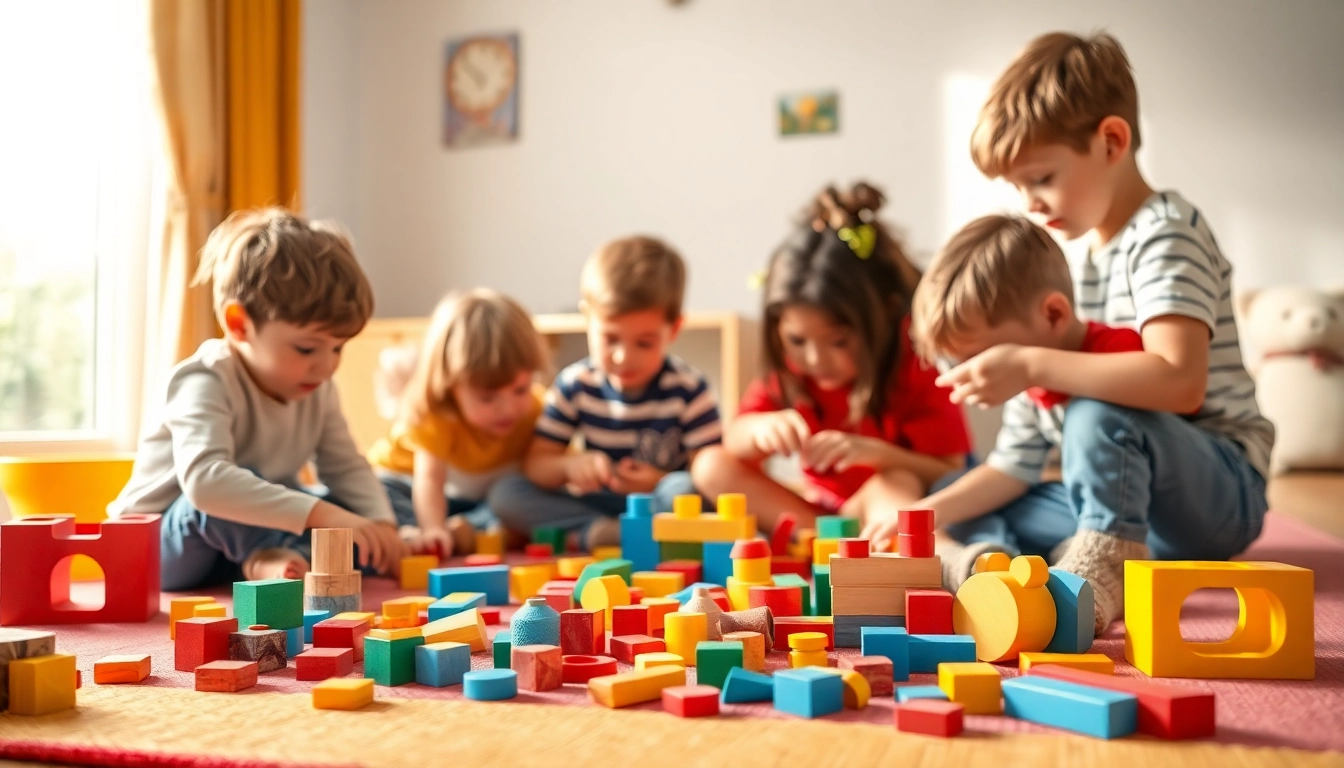
Building blocks and construction sets are a timeless classic that nurtures creativity and critical thinking. Available in various materials, such as wood or plastic, these toys cater to differing age groups and developmental needs. They encourage engineering skills as children learn about balance, stability, and design principles while having fun.
Consider sets with varying shapes and sizes to stimulate children’s imagination. Additionally, integrating themed sets, such as farm or space kits, can add an educational dimension. Children can learn about environments or concepts while they build, which promotes hand-eye coordination and spatial reasoning.
Arts and Crafts Supplies
Arts and crafts supplies open a world of possibilities for self-expression and skill development. Simple items such as colored pencils, paper, glue, and scissors can serve as gateways to hours of exploration. Crafting can improve fine motor skills as children learn to control their hand movements to create something tangible.
Furthermore, arts and crafts can be a collaborative activity promoting social interaction. Craft parties or group projects can be great opportunities for kids to work together, share ideas, and develop communication skills. Encourage kids to showcase their works, helping build their confidence and appreciation for creative endeavors.
Interactive Board Games
Board games encourage face-to-face interaction, strategic thinking, and social skills. They provide structured playtime that is both fun and educational, often requiring players to collaborate, negotiate, and problem-solve. There are board games designed for all age levels— from simple games for toddlers to more complex strategies for older kids.
Games focused on math, language, or strategic thinking can enrich playtime while reinforcing essential academic skills. Introducing family game nights can also foster a deeper connection between family members, creating a routine that prioritizes quality interactions and screen-free fun.
Engaging Activities Using Screen-Free Toys
Group Games for Social Skills
Group games are excellent for developing social skills. Activities like relay races, team building exercises with blocks, or arts and crafts projects promote cooperation, communication, and emotional regulation among children. Incorporating elements of friendly competition can also teach valuable lessons about winning and losing gracefully.
To encourage teamwork, consider setting up group challenges or collaborative projects that require input from each participant. This can help kids learn to listen to others’ ideas and voice their thoughts, ultimately enhancing their conversational and listening skills.
Solo Activities for Focus
While group play offers opportunities for social engagement, solo screen-free activities are essential for nurturing focus and concentration. Puzzles, individual art projects, or building challenges enable children to immerse themselves in tasks at their own pace. These activities encourage self-discipline and the ability to be independently creative, preparing them for future educational settings.
Parents can enhance the experience by providing a quiet, distraction-free environment where children can dive deeply into their chosen task. Pairing solo play with gentle encouragement or discussion about their projects can also foster enthusiasm and reflection.
Outdoor Play Ideas
Outdoor play is a fantastic way to incorporate screen-free toys into daily life. Whether it’s a trip to the park with jump ropes and balls or a backyard treasure hunt, outdoor activities promote physical health and social interactions. Nature stimulates exploration, with countless opportunities for imaginative play using natural materials like sticks and leaves.
Encouraging kids to explore their surroundings while engaging in outdoor games can not only enhance their appreciation for nature but also provide them with a healthy outlet for energy. Parents who join in on these activities create memorable moments that help strengthen familial bonds.

Best Practices for Encouraging Screen-Free Time
Establishing a Routine
A consistent routine is vital in promoting screen-free time. By setting specific times for screen use and creating designated play periods, caregivers can help children build habits that encourage balanced activity levels. For instance, establishing 'no screens during dinner' can create valuable time for discussions and interactions.
Incorporating regular family activities, such as game nights or arts and crafts afternoons, can also make screen-free time a norm rather than an exception. This predictable structure provides children with understanding and expectations for their daily activities, reinforcing a culture of interaction without screens.
Setting Up an Engaging Play Space
Creating an inviting play space significantly contributes to encouraging screen-free play. Designate an area of your home where children can access engaging toys, art supplies, and games. This space should be organized and stocked with diverse activities that cater to different interests and age groups.
Consider including comfortable seating, furniture for arts and crafts, and inviting storage solutions to inspire creativity. Elements like bright colors, natural light, and child-sized furniture can make the space more appealing and accessible for immersive, screen-free play.
Involving Kids in Toy Selection
Allowing kids to participate in the selection process of their play items enhances their investment in screen-free activities. Discussing their interests and involving them in purchasing decisions can empower them to explore their preferences actively. This conversation could steer you toward selecting toys that encourage engagement and development.
Additionally, family trips to stores can turn into exciting expeditions, helping children feel involved and honored. When children see their choices acknowledged, their enthusiasm for play increases, further enhancing their screen-free experience.
Frequently Asked Questions About Screen-Free Toys
What age is appropriate for screen-free toys?
Screen-free toys are suitable for all ages, with options tailored to various developmental stages, ensuring safety and engagement across a wide spectrum.
How can screen-free toys benefit my child's skills?
Screen-free toys promote fine motor skills, creativity, problem-solving, and social interaction, each crucial for children's overall growth and development.
What types of screen-free toys are best for toddlers?
Look for simple, safe options like stacking toys, soft blocks, and colorful puzzles that allure toddlers and impart essential learning through play.
How do I encourage more screen-free playtime?
Set limits on screen use and offer engaging alternatives like arts and crafts or building games, thus promoting the enthusiasm for hands-on activities.
Are screen-free toys more sustainable?
Many screen-free toys are made from sustainable materials and are designed for long-term use, reducing environmental impact significantly in comparison to electronic toys.