1. Benefits of Screen-Free Play
In today's digital age, children are exposed to screens more than ever before. While technology can be an essential tool for learning and communication, it’s equally important to foster an environment that supports screen-free play. Engaging in activities that do not involve screens can lead to numerous benefits for children, equipping them with essential life skills and enhancing their overall well-being. For more guidance on selecting appropriate toys and activities, visit the website.
A. Enhancing Fine Motor Skills
Fine motor skills are critical for tasks ranging from writing to buttoning a shirt. Engaging in screen-free play often involves hands-on activities that naturally develop these skills. Toys like building blocks, craft supplies, and puzzles foster dexterity and coordination. Activities such as threading beads or assembling small model kits require precise hand movements, enabling children to practice and enhance these essential skills.
B. Fostering Imagination
Unstructured, screen-free play allows children to tap into their imagination and creativity without the constraints imposed by digital media. Whether they are creating elaborate worlds with cardboard boxes, mixing paint for their next masterpiece, or inventing stories for their puppets, the possibilities are endless. This type of play not only sparks creativity but also enhances problem-solving skills, as children navigate their unique scenarios and challenges independently.
C. Encouraging Social Interaction
Playing without screens encourages children to engage with their peers face-to-face. Board games, outdoor sports, and collaborative building projects promote teamwork and communication skills. Interacting during play helps children learn to share, negotiate, and resolve conflicts—skills that are essential for building healthy relationships throughout life.
2. Top Picks for Screen-Free Toys
With the variety of screen-free toys available, parents can choose those that not only capture their child’s interest but also promote developmental skills. Below are some exceptional options that are widely recognized for their educational and entertainment value.
A. Building Blocks for Creative Structures
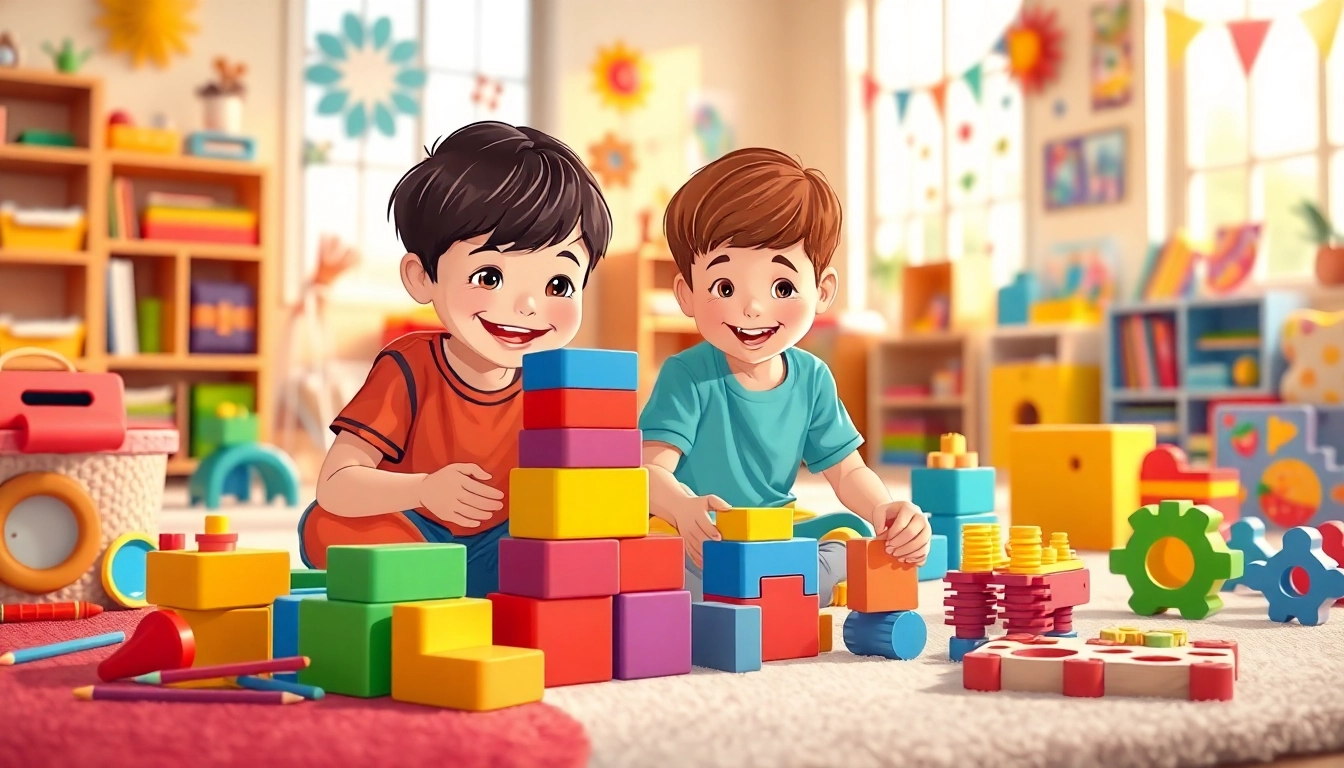
Building blocks are timeless toys that allow children to explore architecture and engineering concepts at their own pace. Whether using traditional wooden blocks or modern magnetic tiles, children can engage in hours of imaginative construction. This activity promotes spatial awareness, creativity, and critical thinking as kids experiment with balance and symmetry to create their structures.
B. Art Supplies for Young Artists
Art supplies spark creativity and self-expression, making them an excellent choice for screen-free play. From crayons and watercolors to sculpting clay and craft kits, having various art materials readily available encourages children to unleash their creativity. Additionally, art projects can foster emotional expression and problem-solving skills as kids plan and execute their creative ideas.
C. Puzzles that Challenge the Mind
Puzzles are not just for quiet time; they can provide a stimulating challenge that enhances cognitive skills. Solving puzzles helps improve memory, spatial reasoning, and logical thinking. From age-appropriate jigsaws to complex brain-teasers, these engaging activities can keep children absorbed while promoting patience and perseverance as they work through challenges.
3. Play Ideas Beyond Toys
While toys play a vital role in screen-free activities, there are countless other ways to engage children in play that don’t involve gadgets. Here are several creative ideas to encourage imaginative and active play.
A. DIY Craft Projects
Do it yourself (DIY) craft projects can be an exciting way for kids to explore their interests and develop new skills. Encourage children to repurpose household items; for example, they can create sculptures from recycled materials or design their unique greeting cards. DIY projects foster creativity, resourcefulness, and a sense of accomplishment.
B. Outdoor Games to Boost Activity
Physical activity is essential for a child’s development. Organizing outdoor games like sack races, hopscotch, or nature scavenger hunts can lead to increased physical fitness while encouraging social interaction. Outdoor play strengthens coordination and helps children connect with nature, promoting a sense of well-being.
C. Storytelling and Dramatic Play
Encouraging storytelling and dramatic play can make for a deeply enriching experience. Children can invent stories and act them out, using costumes and props to enhance the adventure. This type of play helps them develop their narrative skills while boosting their confidence in public speaking and performance.
4. How to Create a Screen-Free Environment
Transitioning to a screen-free lifestyle can take some time and effort, but making your home conducive to such activities can be rewarding. Here are actionable steps to create an environment that fosters screen-free play.
A. Organizing Play Spaces
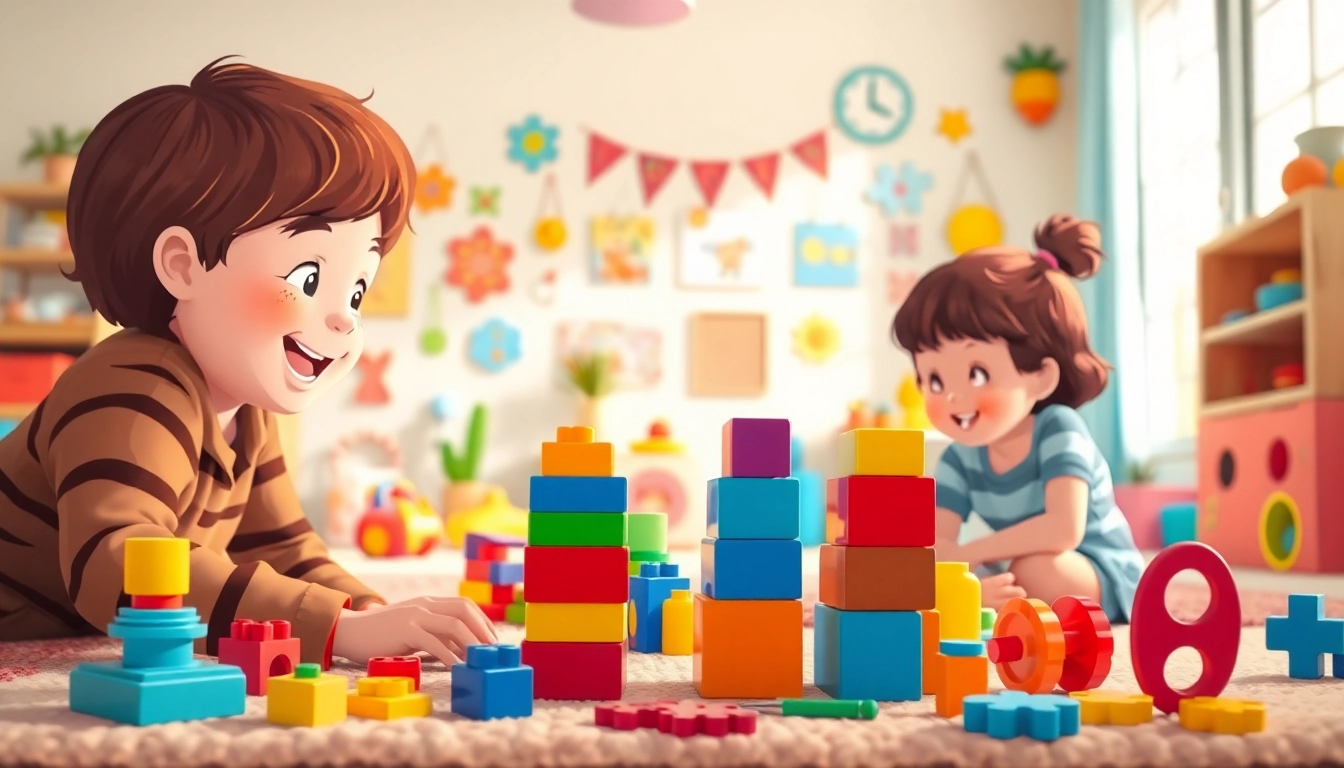
Creating designated areas for play helps draw children away from screens. Organize a playroom or a corner with toys, craft supplies, and books to create an inviting and stimulating environment. Keeping the area tidy and accessible encourages independent exploration and imaginative play.
B. Setting Playtime Guidelines
Establishing clear family guidelines around screen use can help reinforce screen-free play times. Set specific hours where screens are off-limits, and encourage children to engage in creative activities during these times. Consistency in application will lead to a more effective understanding of the importance of non-screen play.
C. Encouraging Family Game Nights
Family game nights can be an excellent way to bond while promoting social skills and teamwork. Involve family members in selecting games that everyone can enjoy, ensuring inclusivity for all ages. Playing board games or interactive activities fosters a sense of community while keeping everyone engaged without screens.
5. Frequently Asked Questions
A. What are the benefits of screen-free play?
Screen-free play enhances creativity, fine motor skills, and social interaction while promoting physical activity and cognitive development in children.
B. How can I encourage my child to play without screens?
Provide a variety of engaging toys and encourage outdoor play experiences. Set limits on screen time and lead by example by integrating screen-free activities into family routines.
C. What types of toys are best for toddlers?
Toddlers benefit from toys that encourage exploration, such as building blocks, simple puzzles, and art supplies. Look for options that promote fine motor skills and imaginative play.
D. How can I organize a play session at home?
Designate a play area filled with diverse toys and crafts. Set a specific time for play, involve your child in choosing activities, and ensure the environment is free from distractions.
E. Are there educational advantages to screen-free toys?
Yes, screen-free toys often promote critical thinking, problem-solving, and creativity, providing foundational skills that benefit children in real-life situations and formal education.