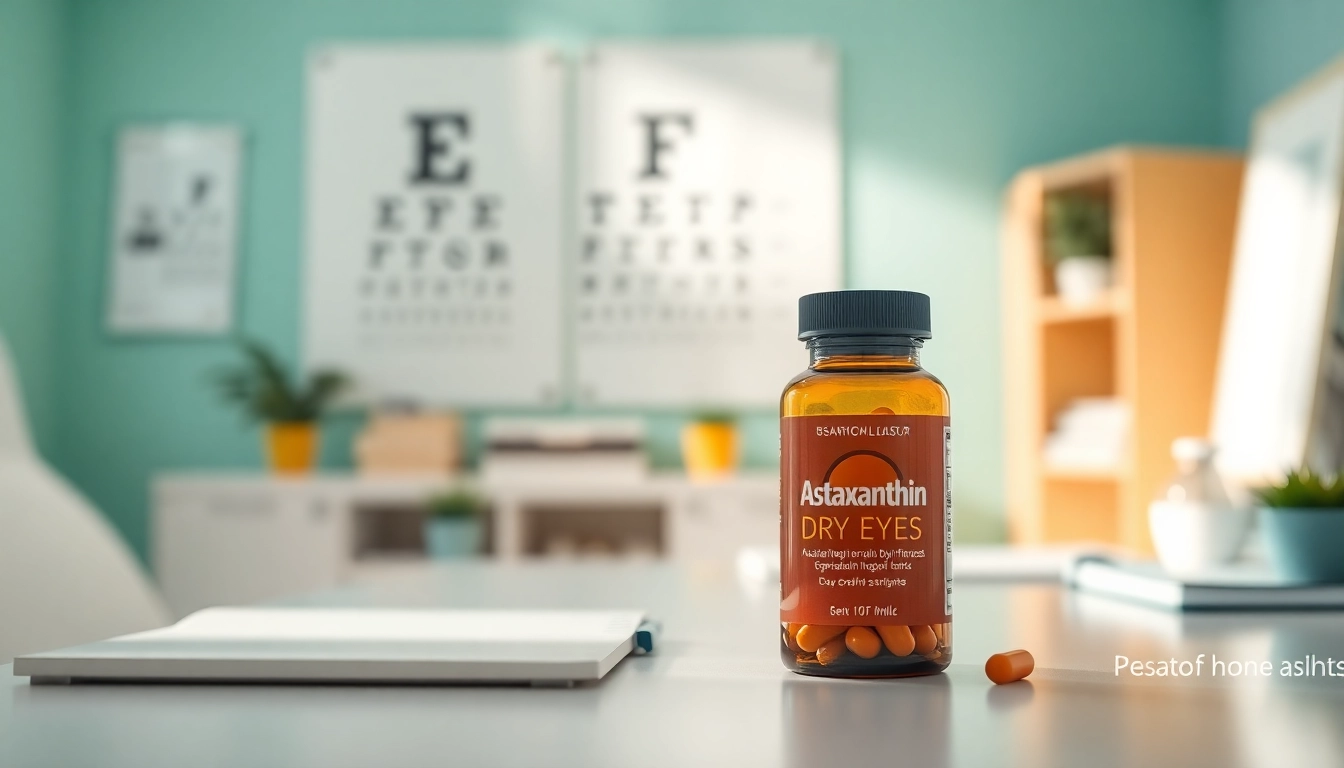
Understanding Astaxanthin for Dry Eyes
Astaxanthin, a potent carotenoid and antioxidant, has garnered significant attention for its potential benefits in eye health, particularly concerning astaxanthin for dry eyes. With an increasing prevalence of dry eye syndrome in today's digital age, understanding how this natural compound can alleviate symptoms is essential for those seeking relief.
What is Astaxanthin?
Astaxanthin is a reddish pigment found in various marine organisms including algae, shrimp, and salmon. As a member of the carotenoid family, it stands out due to its exceptional antioxidative properties. Unlike other carotenoids, astaxanthin has a unique molecular structure that provides enhanced protection against free radical damage, making it particularly beneficial for eye health.
How Astaxanthin Works for Eyes
The eyes are highly susceptible to oxidative stress due to their high metabolic activity and exposure to external factors such as UV light and blue light from screens. Astaxanthin works by accumulating in the eye tissues, notably in the retina, where it can scavenge free radicals, reduce inflammation, and improve the overall health of the ocular system. Studies have shown that it supports the integrity of the tear film, which is crucial for maintaining proper eye lubrication and preventing dry eye symptoms.
Clinical Findings on Astaxanthin
Research backing astaxanthin's effectiveness in treating dry eyes has been growing. Clinical trials indicate that astaxanthin supplementation can improve symptoms, enhance tear production, and reduce inflammation in patients suffering from dry eye syndrome. For instance, a study highlighted that astaxanthin improved corneal surface staining scores and the quality of life for individuals experiencing mild to moderate dry eye conditions.
Benefits of Astaxanthin for Eye Health
Reducing Dry Eye Symptoms
Many individuals suffering from dry eyes report significant alleviation of symptoms after incorporating astaxanthin into their regimen. Symptoms such as stinging, burning, and discomfort can diminish as astaxanthin promotes ocular moisture and lubrication. By stabilizing tear film and reducing evaporation, it acts as a natural remedy for those seeking relief from chronic dryness.
Improving Tear Film Stability
A healthy tear film is critical for clear vision and comfort. Astaxanthin contributes to tear film stability by enhancing the production of mucins, proteins necessary for tear film formation and stability. This results in improved lubrication on the eye surface, which can lead to a noticeable reduction in dry eye symptoms, especially for those working long hours on screens or in dry environments.
Anti-Inflammatory Properties
Astaxanthin's anti-inflammatory effects further fortify its position as a valuable supplement for eye health. By mitigating inflammation in the ocular surface, it assists in reducing conditions linked to dry eye syndrome, such as uveitis and allergic conjunctivitis. This is particularly beneficial for individuals prone to eye irritations due to environmental factors or allergens.
Recommended Dosage for Astaxanthin
Safe Dosage Guidelines
When considering astaxanthin for supplementation, adherence to recommended dosages is vital. Studies generally suggest a daily intake ranging from 4 mg to 12 mg for adults, with some individuals benefiting from higher dosages under healthcare supervision. It's important to consult with a healthcare professional before starting any supplementation, especially for those taking other medications or who have pre-existing conditions.
Forms of Astaxanthin Supplements
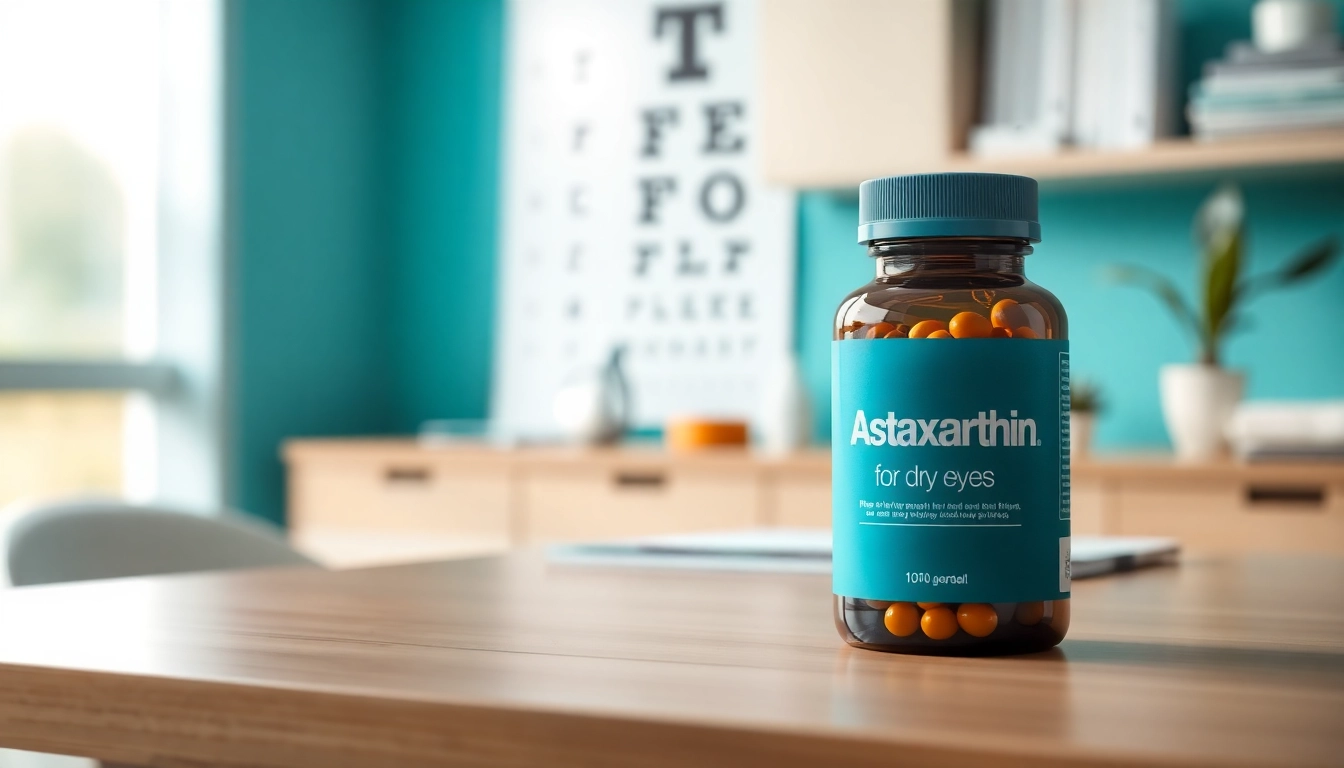
Astaxanthin is available in various forms, including softgels, capsules, and powders. The softgel form is often preferred due to its higher bioavailability, ensuring that the body can absorb and utilize the compound effectively. Additionally, some products are marketed as combination supplements that include other beneficial nutrients for eye health, such as lutein and zeaxanthin.
Possible Interactions and Precautions
While astaxanthin is considered safe for most individuals, it is essential to be aware of potential interactions. Astaxanthin may interact with blood thinners, immunosuppressants, and other supplements that affect blood clotting. Pregnant or breastfeeding individuals should also exercise caution and consult with a healthcare provider. Monitoring any side effects like digestive upset or skin discolorations is recommended, especially when starting supplementation.
Success Stories and Testimonials
Real-Life Experiences with Astaxanthin
Many users report transformative experiences upon incorporating astaxanthin into their daily routine. Testimonials frequently highlight improvements in visual clarity, comfort during extended periods of screen time, and overall eye fatigue reduction. These anecdotal accounts provide compelling evidence for the efficacy of astaxanthin as a natural solution for managing dry eyes.
Before and After Comparisons
Individuals posting before and after assessments showcase the positive impact of astaxanthin supplementation. Many report visible changes, such as reduced redness, improved eye moisture levels, and enhanced comfort. These documented changes echo the scientific understanding of how astaxanthin influences eye health on a cellular level, reinforcing its role in managing dry eyes effectively.
Community Feedback on Effectiveness
Online communities and forums serve as platforms for sharing insights and experiences regarding astaxanthin. Users often exchange information about dosages, timing, and combinations with other supplements that may amplify its benefits. This shared knowledge plays a crucial role in determining dosage effectiveness and personalizing regimens to maximize outcomes.
FAQs About Astaxanthin for Dry Eyes
How long does it take for astaxanthin to work for eyes?
Effects can typically be noticed within 2 to 4 weeks of consistent supplementation, with improvements in symptoms becoming more pronounced over time as levels build in the body.
Are there specific side effects to be aware of?
Astaxanthin is generally well-tolerated, but some users may experience digestive upset, changes in skin coloration, or hypersensitivity reactions. It’s wise to consult with a healthcare professional prior to use.
Can astaxanthin be taken with other eye supplements?
Yes, astaxanthin can be safely combined with other eye health supplements such as lutein and zeaxanthin, often enhancing the overall benefits for ocular health when taken together.
Is astaxanthin safe for long-term use?
Long-term use of astaxanthin is considered safe for most individuals. However, ongoing consultation with a healthcare provider is essential to monitor health and effectiveness over time.
What is the best time to take astaxanthin for optimal results?
The best timing often involves taking astaxanthin with a meal that contains fat to enhance absorption. Many users prefer taking it in the morning to establish a routine.