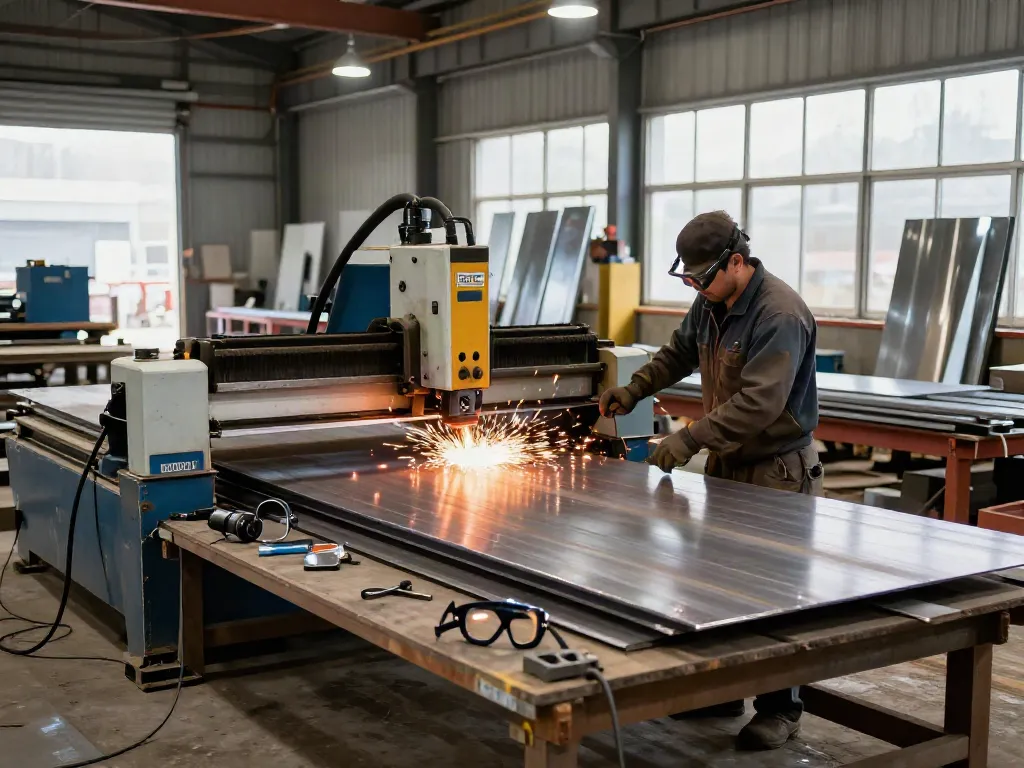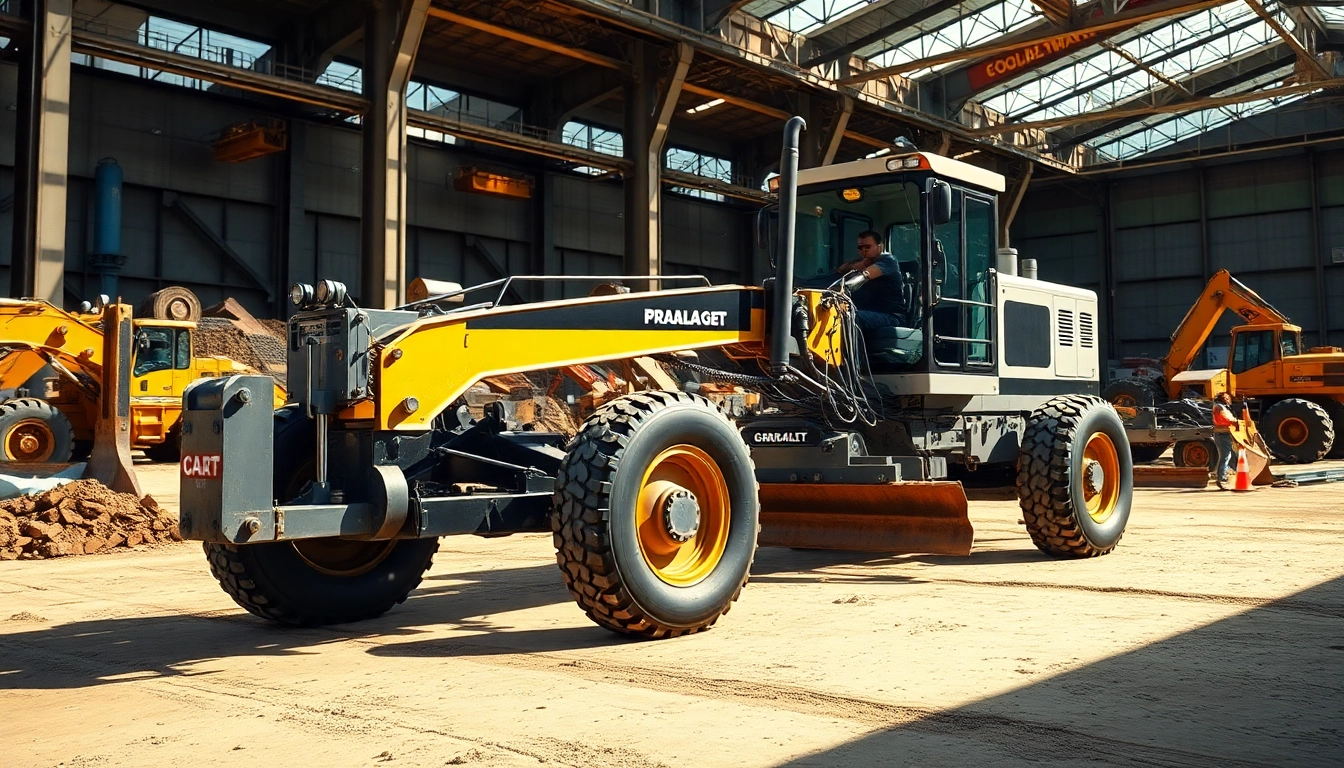
What is a Gradall and Its Key Features?
1. Definition of Gradall
A Gradall is a versatile piece of construction equipment characterized by its telescopic arm, capable of extending and retracting to reach various heights and distances. This unique design allows it to perform multiple functions, including digging, lifting, and loading, making it an invaluable asset on many job sites. Gradalls combine the capabilities of a traditional excavator with the agility and efficiency required for modern construction tasks.
2. Core Components and Functions
The core components of a Gradall include its telescoping boom, hydraulic system, undercarriage, and attachments. The telescoping boom allows for precise control of movement, enabling operators to easily navigate tight spaces while reaching significant heights. The hydraulic system powers the machine and provides the strength needed to lift or dig substantial loads. Attachments such as buckets, grapples, and forks can be customized to enhance the Gradall’s versatility, allowing it to adapt to different tasks and terrains.
3. Advantages of Using Gradalls
Utilizing a Gradall on construction sites offers several advantages. First, its multifunctionality reduces the need for multiple machines, saving time and costs associated with equipment rental and maintenance. Second, its compact size makes it suitable for urban environments where space is limited. Finally, the agility and precision of Gradalls can significantly improve operational efficiency, enabling quicker completion of projects without sacrificing quality.
Applications of Gradalls in Construction
1. Earthmoving and Excavation
Gradalls excel in earthmoving and excavation tasks due to their powerful hydraulic capabilities and extendable booms. In large-scale projects, they can efficiently dig trenches and remove large quantities of soil. Their ability to reach into constrained areas also makes them ideal for various excavation applications, from residential projects to substantial civil infrastructure endeavors.
2. Road and Infrastructure Projects
In the realm of road and infrastructure development, Gradalls are often employed for tasks such as grading, lifting utility fixtures, and creating foundations for bridges and other structures. Their versatility allows them to adapt to diverse working conditions and contribute significantly to the progress and efficiency of infrastructure projects.
3. Urban Development Uses
Urban development frequently presents challenges related to space and maneuverability. Gradalls provide a solution to these dilemmas through their compact design and flexible functionality. They can assist in the construction of sidewalks, driveways, and even help in landscaping efforts, demonstrating their adaptability to various urban tasks.
Choosing the Right Gradall for Your Project
1. Size and Operational Capacity
When selecting a Gradall, it's crucial to consider the size and operational capacity that will best suit your project requirements. Gradalls come in various sizes, each tailored for different load capacities and reach. Assessing the scope of your project, including the types of materials being handled and the nature of the worksite, will guide you in choosing the most appropriate model.
2. Attachments and Customization Options
Gradalls offer many attachments and customization options that can further enhance their utility. Depending on the specific tasks—be it lifting, digging, or material handling—you may need attachments such as buckets, forks, or specialized tools. Understanding the nature of your project will help you select the right attachments for optimal performance.
3. Budget Considerations and Maintenance
Cost considerations are paramount when investing in a Gradall. Consider not only the initial purchase or rental cost but also ongoing maintenance expenses. Regular inspections and servicing are essential to keeping a Gradall in good working order. Moreover, budgeting for potential attachments and upgrading scalable technology can enhance the long-term value of your investment.
Best Practices for Operating a Gradall
1. Safety Guidelines to Follow
Operating a Gradall requires adherence to strict safety guidelines to prevent accidents and ensure the safety of all team members on-site. Operators should always wear appropriate personal protective equipment (PPE), perform pre-operation checks, and stay mindful of their surroundings while operating machinery. Understanding load limits and avoiding risky maneuvers can significantly reduce potential hazards.
2. Training and Certification for Operators
Proper training and certification for Gradall operators play a crucial role in promoting safe operations. Organizations should implement thorough training programs that cover machinery operation, safety protocols, maintenance best practices, and efficient working techniques. Ensuring that operators are well-trained can lead to increased productivity and reduced risks on construction sites.
3. Maintenance Routines for Longevity
Regular maintenance is essential to maximizing the lifespan and efficiency of a Gradall. Operators should develop a routine that includes checking hydraulic fluid levels, inspecting attachments, cleaning components, and replacing worn-out parts when necessary. Incorporating maintenance logs can help track the performance and upkeep of the machine, leading to timely interventions and repairs.
Future Trends in Gradall Technology
1. Advancements in Engineering
The future landscape of Gradall technology is marked by continual advancements in engineering. Improvements in hydraulic systems, materials science, and design innovation are contributing to lighter, stronger, and more efficient machines. These advancements can yield enhanced performance, lower fuel consumption, and easier maneuverability, meeting the rising demands of the construction industry.
2. Environmental Impact Considerations
As global awareness around environmental sustainability increases, Gradall manufacturers are focusing on reducing the ecological footprint of their machines. Innovations may include electric or hybrid powered systems, which reduce emissions and noise. Such developments will not only comply with regulatory requirements but also appeal to environmentally conscious clients and designers.
3. Integration of Technology like IoT
The integration of IoT technology into Gradalls represents a significant trend moving forward. Features such as real-time monitoring of equipment performance, predictive maintenance alerts, and GPS tracking can optimize operations and enhance efficiency. These technological advancements bolster productivity while providing data analytics that can help inform future equipment purchases and operational strategies.
FAQs about Gradalls
What types of projects can benefit from using a Gradall?
Gradalls are versatile and can be used in various projects, including earthmoving, excavation, infrastructure development, and urban landscaping.
How much weight can a Gradall typically lift?
The lifting capacity of a Gradall varies by model, generally ranging from a few thousand pounds to over 20,000 pounds, depending on size and configuration.
Do Gradalls require special training to operate?
Yes, operating a Gradall requires specific training and certification to ensure safety and efficiency, emphasizing operator competence in handling machinery.
How can I maintain my Gradall for optimal performance?
Regular maintenance checks, such as inspecting hydraulic fluid, cleaning components, and servicing wear parts, help ensure a Gradall operates effectively and lasts longer.
What is the advantage of customizing attachments for a Gradall?
Customizing attachments allows a Gradall to perform multiple functions efficiently, addressing specific project needs and enhancing overall productivity.
For more detailed information and insights on the capabilities of gradall, consider exploring professional guides and consulting experts in the field.