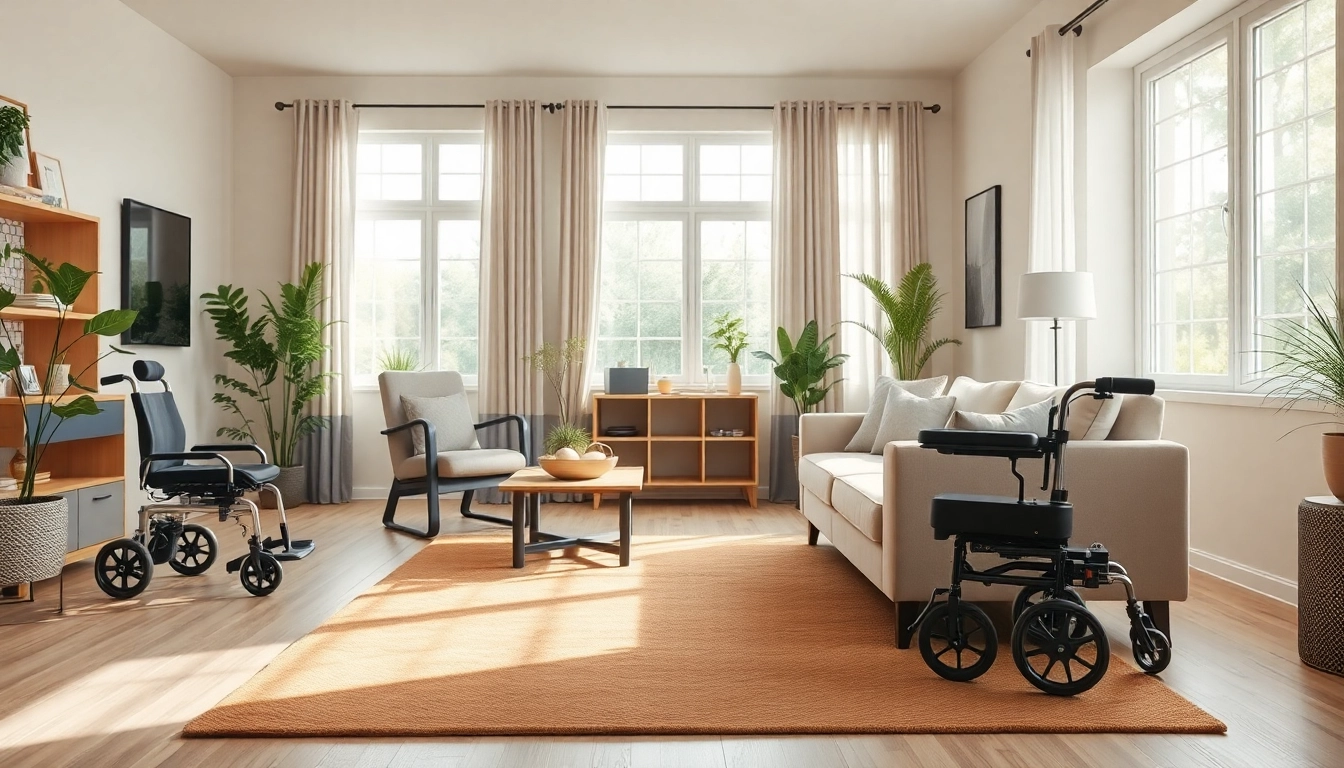
Introduction to Individualised Living Options
In a world that increasingly values personalization and choice, individualised living options have emerged as a transformative way to support individuals with diverse needs. These living arrangements allow people to tailor their living situation according to their personal preferences, goals, and circumstances. But what exactly are individualised living options, and why are they important? Let's explore these questions in depth.
What Are Individualised Living Options?
Individualised living options (ILOs) are flexible support services designed to help individuals determine how and where they want to live. Unlike traditional group homes that often enforce a one-size-fits-all approach, ILOs support individuals in crafting a living arrangement that better fits their individual needs. This might include assistance in making decisions about living arrangements, managing and setting up their homes, and receiving direct personal care, among other supportive services.
Importance of Individualised Living Options
The significance of ILOs lies in their ability to empower individuals. They prioritize autonomy, allowing individuals to exercise their right to choose their living conditions and the kind of support they require. This empowerment not only enhances the quality of life for individuals but also promotes dignity and respect. By making personalized choices, individuals become more active participants in their lives, which can lead to greater satisfaction and well-being.
Who Can Benefit from Individualised Living Options?
Individualised living options can benefit various groups, particularly those with disabilities, mental health challenges, and older adults who require support. Families seeking a better living arrangement for loved ones can also find these options beneficial. ILOs allow individuals to maintain their independence while receiving necessary support tailored to their unique situations.
Types of Individualised Living Options
1. Living Alone
Living alone is an empowering option for many individuals who desire independence. It allows them the freedom to manage their living space and daily routines. Additional in-home support can be arranged as needed, such as housekeeping or assistance with activities of daily living (ADLs). This option is particularly suitable for those who have the capacity to live independently but may require occasional support to ensure their safety and well-being.
2. Co-Residency Arrangements
Co-residency involves sharing a living space with others, which can be an effective way to reduce loneliness while still allowing for personal space. This arrangement can be formal, such as having a housemate who shares the responsibility of household tasks, or informal, like family members living together. It facilitates mutual support through shared tasks and companionship while allowing individuals to engage socially.
3. Host Family Living
In host family living arrangements, individuals reside with a family or caregiver who provides ongoing support. This option is particularly beneficial for those who may prefer a warm, family-like atmosphere rather than a more institutional setting. It fosters a sense of belonging and often allows for closer social connections, improving emotional health and stability.
How to Choose the Right Individualised Living Option
Evaluating Personal Needs
Choosing the right individualised living option starts with a thorough evaluation of personal needs. This involves assessing not only physical requirements such as mobility and health conditions but also emotional and social needs. Questions like “What daily activities do I need help with?” or “How much social interaction do I desire?” can guide individuals towards a suitable living arrangement.
Consultation with Support Services
Engaging with support services is critical to determine the best living arrangement. Professionals in disability and social services can provide guidance and recommend options tailored to individual requirements. They can also shed light on community resources that might enhance the living experience.
Understanding Funding Options
Financial considerations will also play a significant role in choosing an individualised living option. Understanding what funding is available from support programs, including government initiatives, can influence the decision-making process. Individuals and families should explore various funding options to ensure they select an arrangement within their budget while still meeting their support needs.
Benefits of Individualised Living Options
Application of Personal Preferences
The primary benefit of individualised living options is the focus on personal preferences. Individuals can express their desires about their living situation, from the type of home to the level of care required. This tailored approach leads to higher satisfaction and comfort in their living environment, significantly impacting their overall happiness.
Increased Independence
Individualised living options promote independence, allowing individuals to maintain control over their lives. By having a say in how they live and what supports they require, people can live more autonomously. This independence is linked to improved self-esteem and personal growth, as individuals navigate their lives with increased confidence.
Building Community Connections
ILOs encourage individuals to connect with their communities, fostering social ties that can be vital for emotional health. Living arrangements that include co-residency or host families often facilitate these connections, as relationships with housemates or neighbors can blossom into friendships. These interactions can enhance the sense of belonging and reduce the feelings of isolation that individuals may face.
Frequently Asked Questions
What is the process for applying for individualised living options?
The application typically involves assessing needs, determining eligibility, and discussing options with service providers who specialize in ILOs. This comprehensive approach ensures that individual preferences are taken into account.
Are there costs associated with individualised living options?
Costs vary based on the chosen living arrangement and required supports. Some expenses may be covered by specific funding programs, while others may require out-of-pocket payments for additional services.
What types of support are included in individualised living options?
Support can include personal care, assistance with household tasks like cooking and cleaning, skill development, and social engagement activities. This ensures a holistic approach to individual care.
Can family members be part of the support system?
Yes, family members can often be included as informal supports in individualised living options, enhancing the effectiveness and personal nature of the living arrangement.
How do individualised living options promote independence?
These options empower individuals to make choices about their living environment and support needs, fostering autonomy, personal growth, and a stronger sense of control over their lives.