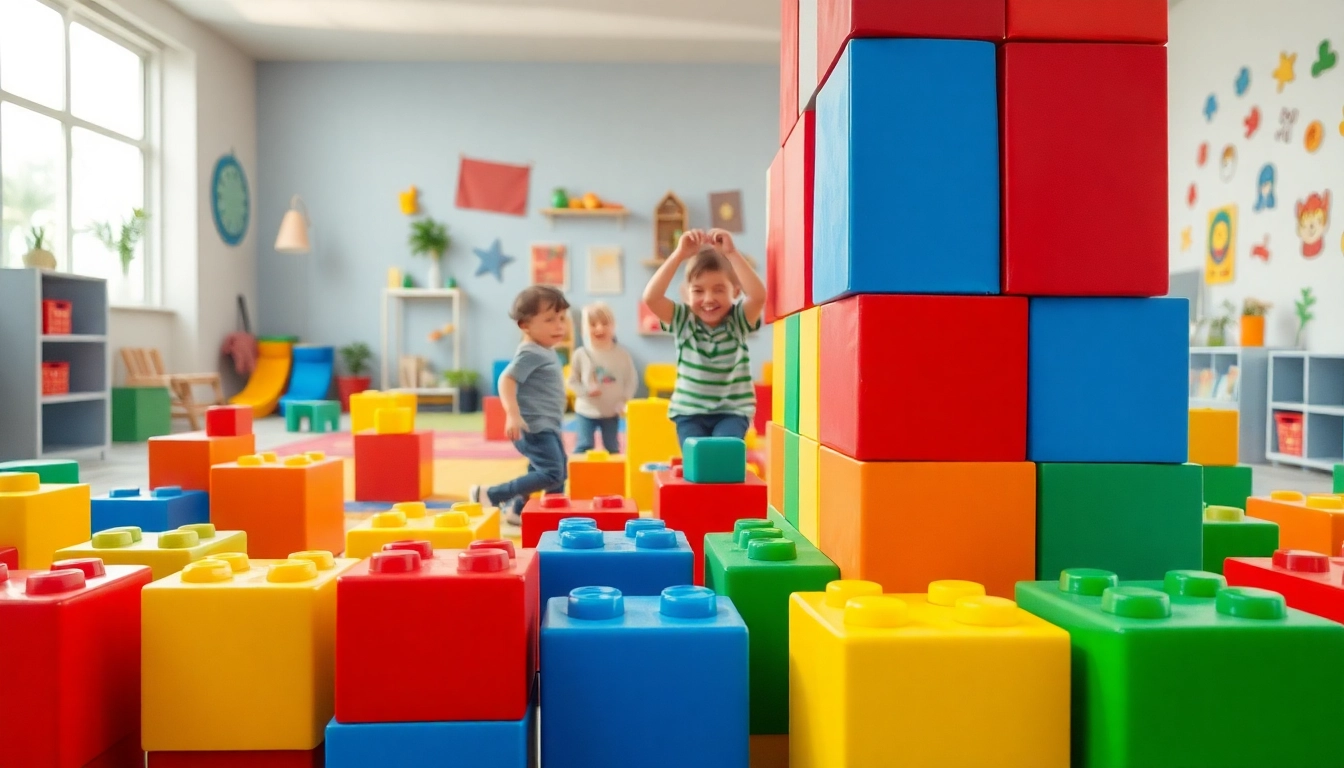
Benefits of Giant Building Blocks for Kids
Physical Development and Coordination
Giant building blocks serve as an interactive tool for enhancing children's physical development. From a young age, children are encouraged to engage in activities that promote gross motor skills. These foam blocks provide a safe medium through which kids can practice lifting, stacking, and balancing various shapes. The repeated actions of pushing, pulling, and constructing structures not only help improve their coordination but also cultivate strength and endurance.
In addition to basic motor skills, children also develop spatial awareness as they visualize and create structures. They learn about balance, stability, and the mechanics of building safe structures. For instance, when a child successfully builds a tower without it falling down, they experience a sense of achievement that boosts their confidence and further develops their motor skills.
Cognitive Skills Enhancement
Engaging with giant foam blocks is not just a physical activity; it plays a significant role in cognitive growth. As children interact with blocks, they begin to understand fundamental concepts of geometry—such as shapes, sizes, and their properties. For example, they learn to differentiate between a rectangle and a cube as they create different structures. Solving problems that arise during play, such as how to make a structure taller or stronger, boosts critical thinking and enhances problem-solving abilities.
Moreover, imaginative play fosters creativity, allowing children to simulate different scenarios through building. They might reconstruct a castle from a favorite story or create their dream house, which stimulates narrative abilities and expands their vocabulary. You'll find your little ones discussing plans, negotiating roles, or describing their creations, which further enriches their communication skills.
Social Interaction and Teamwork
Playing with giant foam building blocks encourages collaboration among children, making it an excellent platform for social interaction. Whether in a school environment or at home, these blocks provide opportunities for teamwork. Kids learn to work together towards a common goal—building a large castle or a bridge, for instance. This teamwork teaches them important life skills such as compromise, sharing, and respecting differing opinions.
Additionally, during group play, children often take turns, celebrate each other’s achievements, and discuss their ideas, which strengthens their social ties. This interaction not only improves their social skills but also nurtures emotional intelligence as they navigate successes and failures together. Parents and educators should actively encourage this group play, as it lays a foundation for future collaborative skills in life.
Choosing the Right Foam Building Blocks
Safety Standards and Material Quality
When selecting giant foam building blocks, safety should be paramount. The best blocks are crafted from high-quality, non-toxic materials that meet or exceed safety standards. Look for foam blocks that are phthalate-free and BPA-free to ensure children play in a safe environment. Additionally, opting for blocks that have passed rigorous safety tests helps prevent potential accidents and injuries.
Soft foam materials are highly beneficial as they reduce the risk of injury during play. This is crucial in a playful setting where children often trip or fall. It's wise to choose blocks that are thick enough to withstand rough play, enhancing durability while maintaining safety standards.
Size and Weight Considerations
The size and weight of foam building blocks can significantly affect children's play experience. Choose blocks that are large enough to be easily manipulated by small hands but not so large that they become dangerous or difficult to handle. Generally, blocks for toddlers should weigh around 1-2 pounds, allowing for manageable lifting and stacking without risk of injury when they stumble.
As children gain strength and coordination, transitioning to larger and heavier blocks can enhance the challenge and keep them engaged. That said, it's essential to ensure that even the largest blocks can be safely managed to prevent accidents. Consider finding sets that offer a variety of sizes to promote diversity in play and developmental learning.
Design Features for Creative Play
The design of foam building blocks can add significant value to the playtime experience. Some advanced sets come with interlocking features that enable children to construct robust structures without the worry of collapsing. Others incorporate different textures and colors to engage children’s senses and stimulate creativity.
Blocks designed in appealing shapes like arches, triangles, and circles offer more possibilities for creative building. Encouraging children to incorporate various design elements into their play fosters innovation and allows them to express their creativity while building complex structures. Aim for sets that provide a mix of sizes, shapes, and colors that contribute to hours of imaginative play.
Creative Play Ideas with Foam Blocks
Building Structures Together
One of the most rewarding play experiences with giant foam blocks is building structures together. This activity fosters creativity and imagination. Children can draft out plans on paper or verbally describe what they want to build, followed by selecting blocks and assembling them. Encourage collaborative projects that allow them to work together, all while developing teamwork skills.
Consider introducing challenges like “Who can build the tallest tower?” or “Let’s see if we can build a bridge that can hold a toy car.” These activities not only keep the children engaged but also provide a fun way to incorporate math and physics concepts into play. It's vital to celebrate their creations by taking pictures or having show-and-tell sessions that can build self-esteem.
Incorporating Themes and Stories
Encouraging children to explore themes and stories during play can add an exciting dimension to their activities. For example, creating a princess castle or fire station can spark their imagination and lead to dramatic play scenarios. This immersive experience allows children to role-play and enact stories they love, enhancing narrative skills and creativity.
You could also integrate educational themes—like building a zoo and discussing various animals—or constructing a city while talking about different occupations found within. Connecting storytelling with block play not only makes learning fun but also ignites a love for reading and creativity in children.
Outdoor Extensions of Indoor Fun
Giant foam building blocks are versatile enough for outdoor play, offering a great way to extend indoor fun into the open air. Outdoor play provides children with a different environment, which can enhance their building experience. Utilizing a secure outdoor space allows for larger constructions and encourages physical activity.
Set up structured activities like obstacle courses made from foam blocks, creating an engaging environment. Supervise outdoor play closely and ensure blocks are stored properly to prevent damage from environmental factors. Additionally, ensure the area is safe and free from hazards to maximize the fun and safety of outdoor play.
Maintenance and Care for Foam Blocks
Cleaning and Sanitizing
Keeping foam building blocks clean is essential for health and hygiene, especially if shared among multiple children. Regular cleaning with a mild soap and water solution is recommended, ensuring that all soap residue is rinsed off properly. After cleaning, allow the blocks to air dry completely before putting them away to ensure that moisture does not compromise their integrity.
Additionally, consider using a disinfectant safe for children who may have allergies or sensitivity. This practice helps ensure that dirt, dust, and allergens are kept at bay, thus maintaining a safe play environment.
Storage Solutions for Blocks
Proper storage of foam blocks extends their lifespan and maintains play quality. It is recommended to designate a specific area for storage, such as a large bin or box that is easily accessible for children. When storing blocks, consider organizing them by size or color, making it easier for children to find what they need while promoting organizational skills.
For outdoor blocks, ensure they are brought in when not in use to protect them from sun damage or moisture. Proper care helps prevent deterioration, ensuring that the blocks continue to provide fun and educational play experiences over time.
Ensuring Long-term Durability
Investing in high-quality foam building blocks can significantly enhance durability. Look for reputable brands that guarantee long-lasting construction features. Regular inspection for signs of wear and tear should be conducted to ensure that the blocks remain safe for use.
Repairing minor damages with foam-safe glue instead of discarding the blocks can prolong their usability. Reinforcing storage tips and incorporating cleaning habits into your routine ensures that these blocks remain a staple in your child's playtime for years to come.
Frequently Asked Questions about Giant Foam Blocks
What age group are foam building blocks suitable for?
Foam building blocks are ideal for children ages 2 and up, promoting various developmental skills.
Are giant foam blocks safe for indoor play?
Yes, they are designed to be soft and safe, minimizing injury risk during playtime.
How to clean and care for foam blocks?
Use mild soap and water to clean, and allow them to air dry to maintain their quality.
Can foam blocks be used outdoors?
While designed for indoor use, they can be used outdoors; however, they should be stored away from moisture.
Where can I find more information about foam blocks?
You can find out more about foam blocks through parenting blogs, educational resources, and play guides.