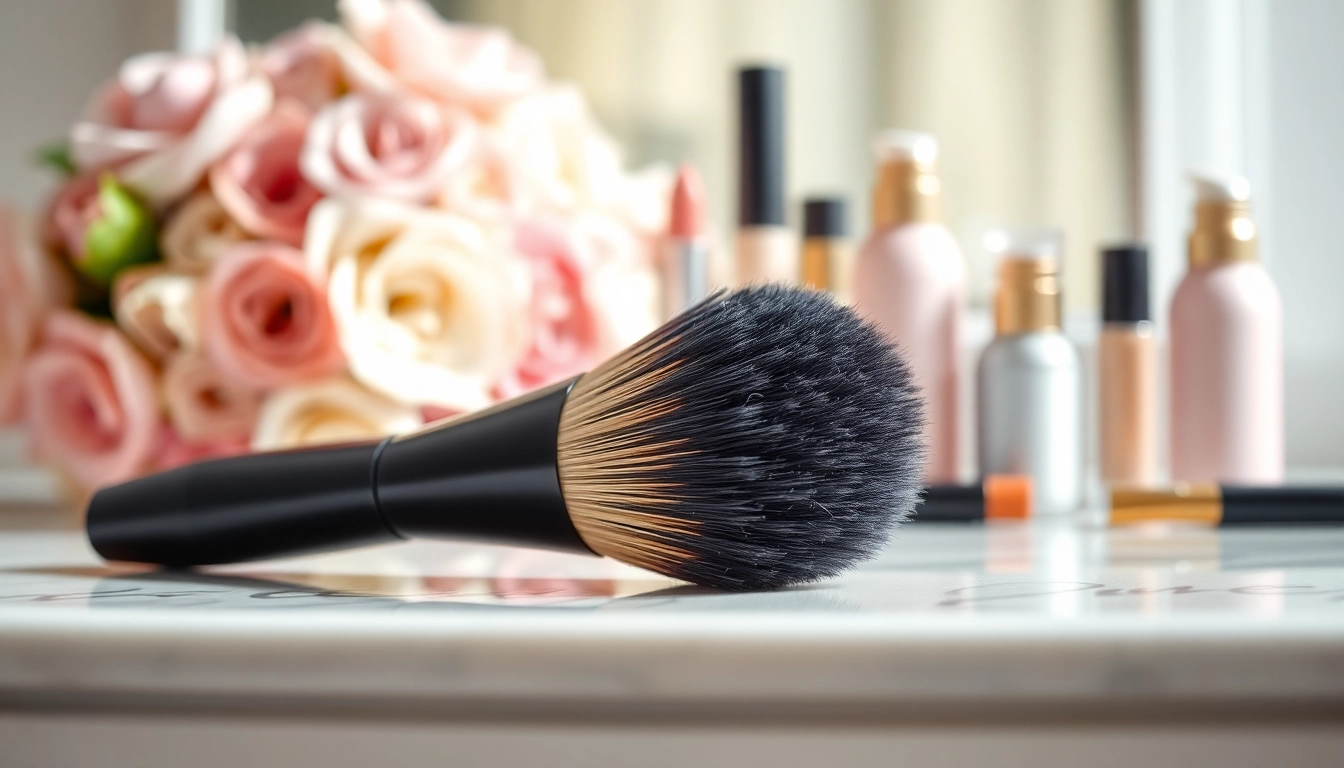
Understanding the Dense Makeup Brush
What is a Dense Makeup Brush?
A dense makeup brush is a type of cosmetic tool characterized by tightly packed bristles that offer optimal product pick-up and application. Unlike fluffy brushes, which are designed for lighter application and blending, dense brushes excel at depositing pigment with precision. This makes them ideal for tasks that require full coverage, such as applying foundation, blush, or contour. Generally made from natural or synthetic fibers, these brushes come in various shapes and sizes, catering to specific makeup techniques and product types.
Benefits of Using a Dense Makeup Brush
The advantages of using a dense makeup brush are numerous:
- Full Coverage: The density of the bristles allows for even distribution of makeup, ensuring that every area of the skin is covered efficiently.
- Precision Application: Dense brushes are excellent for targeted application, making them ideal for contours and specific areas of the face.
- Blending Capabilities: While they are incredibly effective for application, they also excel in blending products seamlessly into the skin.
- Versatility: These brushes can be used with various types of products, including liquids, creams, and powders, making them versatile additions to your collection.
Common Materials Used
Dense makeup brushes can be crafted from different materials, each with its own benefits:
- Synthetic Fibers: Made from nylon or polyester, synthetic brushes are ideal for liquid and cream products. They tend to be more affordable and easier to clean.
- Natural Bristles: Typically from animal hair (e.g., squirrel, goat), natural brushes provide a soft application and are preferred for powders as they blend seamlessly into the skin.
Choosing the Right Dense Makeup Brush
Factors to Consider When Selecting
When selecting a dense makeup brush, consider the following factors:
- Purpose: Determine if you need a brush for foundation, contouring, or applying blush. Different tasks require different shapes and sizes.
- Bristle Density: The tighter the bristles, the more product you'll be able to pick up. Choose a density based on your application needs.
- Handle Size: Longer handles provide more control for sweeping applications, while shorter handles may enhance precision.
Brush Sizes and Their Functions
Dense makeup brushes come in various sizes, each designed for specific applications:
- Flat Top Brushes: Ideal for foundation application, these brushes provide a smooth, even finish.
- Round Brushes: Great for buffing and blending products into the skin, these offer more versatility.
- Angled Brushes: Perfect for contouring, they help create defined shadows along the cheekbones.
How to Test Brush Density
To assess brush density, use the following methods:
- Touch Test: Feel the bristles between your fingers to check their firmness. A denser brush will feel more compact.
- Product Pick-Up Test: Dip the brush into a powder or cream product and see how much is loaded onto the bristles. A good dense brush will hold a significant amount.
- Application Test: Apply the brush to the skin to see how well it picks up and applies the product. It should feel smooth and effective.
Application Techniques with Dense Makeup Brushes
Foundation Application Tips
Applying foundation with a dense makeup brush can yield a flawless finish. Follow these steps:
- Prep the Skin: Start with a clean, moisturized face for better application.
- Dispense Product: Squeeze a small amount of foundation onto the back of your hand or a palette.
- Dab and Buff: Dip the brush into the foundation and dab it onto the skin. Use a buffing motion to blend the product evenly.
Highlighting and Contouring Methods
Dense brushes are great for creating defined highlights and shadows. Here’s how:
- Identify Highlight Areas: Apply highlighter to areas where light naturally hits, like the tops of cheekbones, brow bones, and the bridge of your nose.
- Contour Definition: Use a contour product to create shadows along the jawline, temples, and around the nose.
- Blend Seamlessly: With a dense brush, apply and blend until there are no harsh lines for a more natural look.
Correcting Makeup Mistakes
Mistakes happen, but a dense makeup brush can help fix them. Use these methods:
- Over-Application: If you’ve applied too much foundation, use a clean, dry dense brush to buff out the excess.
- Uneven Blush: When blush appears too strong, a dense brush can help blend it out for a more soft, diffused finish.
- Hard Lines: Use a dense blending brush to seamlessly blend any harsh contour or eyeshadow lines.
Caring for Your Dense Makeup Brush
Cleaning Practices for Longevity
To maintain your dense makeup brush, proper cleaning is essential:
- Regular Clean: Wash your brush at least once a week with gentle soap or a brush cleaner to prevent product build-up.
- Drying Method: Lay your brush flat or upside-down to dry; never stand it upright to avoid water seeping into the ferrule.
Proper Storage Solutions
Storing your brush correctly can extend its life:
- Brush Holder: Use a brush holder or pouch to keep bristles safe from damage.
- Avoid Heat: Store away from direct sunlight or heat sources, which can dry out the bristles.
When to Replace Your Brush
Even a well-cared-for brush will not last forever. Signs it’s time to replace your dense makeup brush include:
- Frayed Bristles: If the bristles start to lose their shape or become rough, it’s time for a new one.
- Poor Application: If your brush isn’t picking up or applying product effectively, it may have reached the end of its life.
Frequently Asked Questions about Dense Makeup Brushes
1. How does density affect makeup application?
The density ensures good product pick-up and even application, resulting in a flawless finish. Dense brushes provide better coverage than fluffier alternatives.
2. Can a dense brush be used for liquid foundations?
Yes, dense brushes are excellent for liquid foundations, allowing for smooth application and blending without streaks.
3. What's the best way to clean a dense makeup brush?
Use warm water and gentle soap. Swirl the bristles in a soap solution and rinse until the water runs clear. Let it dry flat.
4. How often should I clean my makeup brushes?
Clean your brushes at least once a week for daily use to maintain hygiene and optimize performance.
5. Are all dense brushes the same for different makeup types?
No, different shapes and sizes serve specific purposes, such as foundation, blush, or contouring, each requiring a tailored brush.