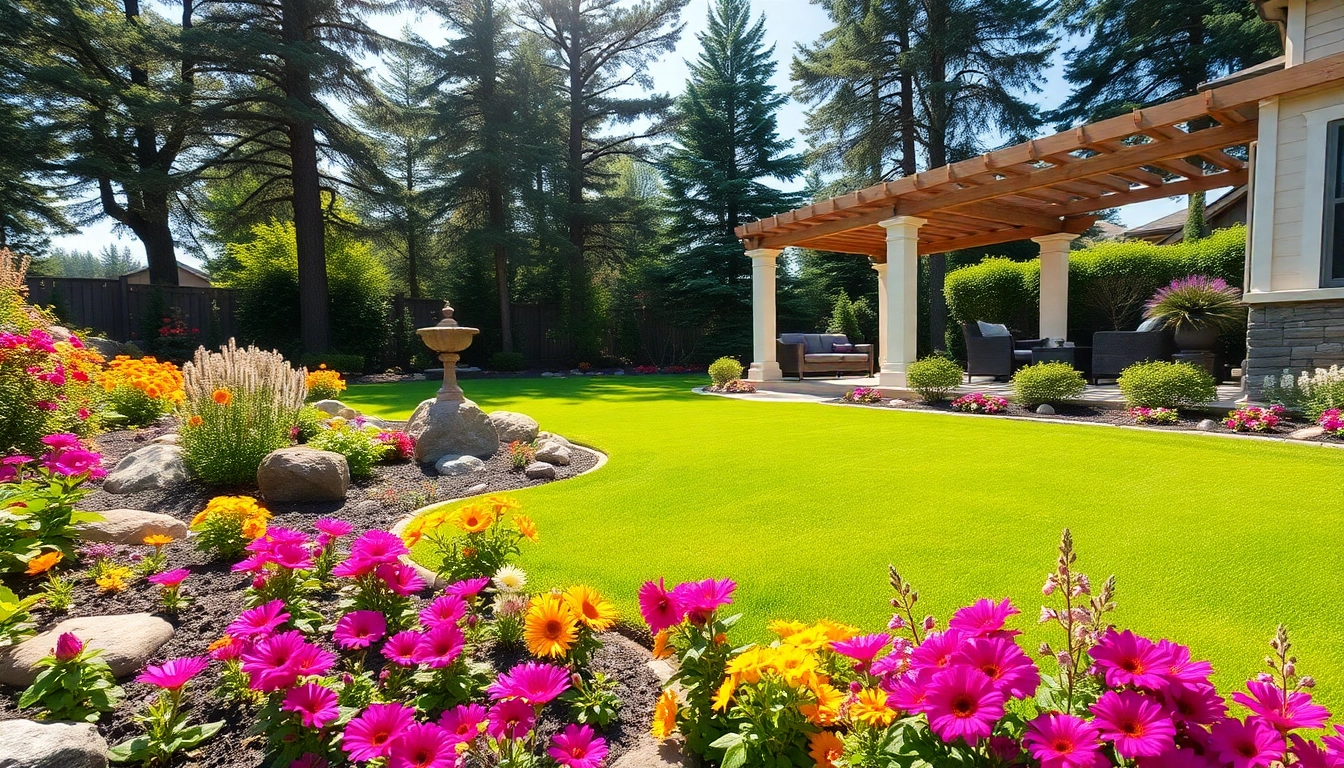
Transforming your outdoor space into an aesthetically pleasing sanctuary is a rewarding endeavor that many homeowners consider. With the right approach, your backyard can be not just an extension of your home but a vibrant space to relax, entertain, and enjoy nature. If you're ready to dive into one of the most fulfilling home improvement projects, understanding various aspects of backyard landscaping is essential. This guide will help you navigate the intricate details associated with backyard landscaping, including popular styles, budget-friendly ideas, and essential maintenance tips.
Understanding the Basics of Backyard Landscaping
What is Backyard Landscaping?
Backyard landscaping involves planning, designing, and developing the outdoor space behind your home. This process encompasses various elements, including plant selection, hardscaping (such as patios and walkways), lighting, water features, and decorative touches. The goal is to create a visually appealing environment that enhances the overall aesthetic and functionality of your outdoor space. The design can be tailored to your personal style, whether you prefer a serene retreat, a vibrant garden, or an entertainment hub.
The Importance of Planning
Before embarking on any landscaping project, careful planning is key. A successful backyard landscape begins with understanding your site’s unique characteristics, such as soil type, sun exposure, and existing vegetation. Consider the layout of your space and how you intend to use it. Do you want a play area for children? A vegetable garden? Space for entertaining? Laying out your plan not only ensures an efficient workflow but also helps you visualize the end result. Utilize tools like landscape design software or sketch your ideas on paper to begin forming a layout that suits your needs.
Choosing the Right Plants
The plants you select will largely define your backyard landscape. Choose varieties that thrive in your local climate and soil conditions. Native plants are an excellent choice as they require less maintenance and provide habitat for local wildlife. Think about the visual impact you want to achieve. Incorporate a mix of heights, colors, and textures to bring depth and interest to your outdoor space. Remember to include seasonal blooms as well, to ensure that your landscape remains dynamic and colorful throughout the year.
Popular Backyard Landscaping Styles
Modern Minimalist Designs
Modern minimalist landscaping emphasizes simplicity and elegance, focusing on clean lines, neutral colors, and functional spaces. Key elements include geometric shapes, open spaces, and a limited plant palette that complements the architecture of the home. Hardscaping elements like concrete patios and wooden decks are frequently used in minimalist designs. This style is ideal for homeowners who prefer a less cluttered, more curated outdoor experience.
Naturalistic Landscapes
Naturalistic landscapes aim to create a more organic look that mimics the beauty of untamed nature. This style often integrates native plants, wildflowers, and natural topographical features like rocks and gentle slopes. Water features like ponds or streams may also be included for added tranquility. Naturalistic landscaping is not only visually appealing but also supports biodiversity, helping to sustain local wildlife by providing a habitat.
Low-Maintenance Solutions
For those who desire a beautiful backyard but have limited time for upkeep, low-maintenance landscaping is the answer. Consider installing drought-resistant plants, which require less water and care. Hardscaping can reduce the need for lawn mowing, while gravel pathways and mulch beds can minimize weed growth. Incorporating artificial turf is another option for a green look without the hassle of maintenance, making it a practical solution for busy homeowners.
Budget-Friendly Backyard Landscaping Ideas
DIY Projects to Consider
Embarking on DIY projects can significantly reduce your landscaping costs. Consider building your own garden beds, which can be constructed from reclaimed wood or bricks for a rustic touch. Creating a fire pit from stone or using bricks is another fairly simple project that can enhance the ambiance of your backyard. Additionally, many resources are available online to guide you through various landscaping DIY projects, helping you learn new skills while adding value to your property.
Cost-Effective Plant Choices
When it comes to selecting plants, certain species are more budget-friendly than others. Opt for perennials, which return year after year, reducing the need for constant replanting. Native plants are often less expensive and hardier, requiring less water and maintenance. Buying from local nurseries rather than big box retailers can also yield savings, as local growers often have lower prices and more suitable vegetation for your area.
Reuse and Upcycle for Landscape Features
One of the most creative ways to save money on landscaping is to reuse and upcycle materials. Old wooden pallets can be transformed into garden planter boxes or rustic fences, whereas discarded bricks can create edging around flower beds. Pallets can also be used to make vertical gardens, ideal for small spaces. By repurposing materials, you bring a unique touch to your landscape while conserving resources.
Maintaining Your Backyard Sanctuary
Essential Maintenance Tips
Once your backyard is beautifully landscaped, maintenance becomes paramount to keep it looking its best. Regularly inspect your outdoor space for weeds, pests, and dead plants. Establish a watering schedule based on the needs of your plants; early morning is the best time to water, as evaporation rates are lower. Fertilizing periodically will keep plants healthy, while regular pruning ensures they maintain their intended shape and encourages new growth.
Seasonal Landscaping Tasks
The changing seasons dictate specific landscaping tasks to keep your backyard in optimal condition. In spring, focus on cleaning out debris, planting new flowers, and applying mulch. Summer is the time to monitor watering, deadhead flowers, and manage pests that may invade your space. During fall, prepare for winter by trimming back perennials and protecting delicate plants. Winter landscaping tasks can include planning for the next season and ensuring hardscaping features like patios are free of debris.
Common Mistakes to Avoid
When engaging in backyard landscaping, certain pitfalls can diminish the beauty and functionality of your space. One common mistake is overcrowding plants, which can lead to stunted growth and make maintenance difficult. Always consider the mature size of plants when designing spaces. Neglecting irrigation needs can also be problematic, particularly in drought-prone areas. Ensure an adequate watering system is in place to support your plants' growth. Avoid using too many materials and colors that clash, as this can create visual chaos rather than harmony.
FAQs about Backyard Landscaping
1. What is the cheapest way to landscape a backyard?
Incorporating mulch, creating flower beds, and using native plants are cost-effective methods to enhance beauty without overspending.
2. How do I choose the right plants for my backyard?
Select plants that thrive in your climate, consider sunlight exposure, and choose a variety of colors and heights for visual interest.
3. What features can enhance backyard landscaping?
Elements like pergolas, water features, and uniquely designed pathways add visual appeal and enhance the outdoor allure of your backyard.
4. How often should I maintain my landscaped yard?
Regular inspection and maintenance are crucial; aim for monthly evaluations and actions, especially after seasons change.
5. Can I create a landscape without grass?
Absolutely! You can utilize gravel, mulch, stone pathways, and flower beds for a low-maintenance and appealing landscape design.