
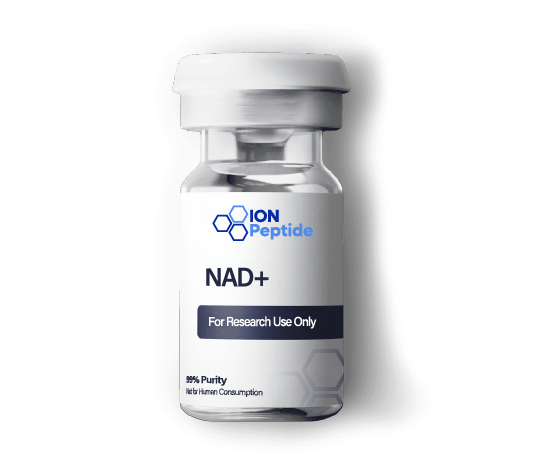
Introduction to NAD+ in Modern Laboratory Science
NAD+ has become an essential component in advanced laboratory environments where precision and reliability are critical. As a coenzyme found in all living cells, NAD+ plays a central role in metabolic processes and cellular energy production. In modern research settings, the demand for high-quality NAD+ materials has grown significantly, especially in fields such as biochemistry, molecular biology, and pharmaceutical development. Laboratories require consistent and well-characterized compounds to ensure experimental accuracy, and NAD+ serves as a cornerstone in many analytical and experimental procedures.
The importance of NAD+ extends beyond its biological function. In laboratory applications, it is used as a reagent in enzymatic reactions, a marker in metabolic studies, and a tool for understanding cellular mechanisms. Researchers rely on NAD+ materials that meet strict quality standards, as even minor impurities can lead to inaccurate results. This growing reliance has led to advancements in production, purification, and testing methods for NAD+ compounds.
The Role of NAD+ in Cellular and Molecular Research
Understanding NAD+ Functionality
NAD+ is vital for redox reactions, acting as an electron carrier in metabolic pathways such as glycolysis and the citric acid cycle. In laboratory settings, NAD+ is frequently used to study these pathways in controlled environments. By observing how NAD+ interacts with enzymes, scientists can gain insights into cellular function and disease mechanisms.
The versatility of NAD+ makes it indispensable in experimental design. It is used in assays that measure enzyme activity, oxidative stress, and cellular respiration. Precision lab applications require NAD+ that is stable and free from contaminants, as any variation can alter the outcome of sensitive experiments.
Application in Enzymatic Assays
In enzymatic assays, NAD+ often acts as a cofactor that enables reactions to proceed efficiently. Researchers measure changes in NAD+ concentration to determine enzyme kinetics and reaction rates. High-purity NAD+ ensures that these measurements are accurate and reproducible, which is essential for scientific validation.
The use of NAD+ in these assays highlights the need for reliable sourcing and consistent quality. Laboratories must ensure that their NAD+ materials are produced under controlled conditions and tested rigorously before use.
Production and Purification of NAD+ Materials
Advanced Manufacturing Techniques
The production of NAD+ for laboratory use involves sophisticated biochemical processes. Manufacturers employ fermentation, enzymatic synthesis, and chemical purification methods to produce NAD+ at high purity levels. Each step in the process is carefully monitored to prevent contamination and degradation.
Precision lab applications require NAD+ that meets strict specifications, including purity, stability, and solubility. Manufacturers often use advanced filtration and chromatography techniques to remove impurities and ensure consistency across batches. This attention to detail is crucial for maintaining the integrity of research outcomes.
Quality Control and Verification
Quality control is a fundamental aspect of NAD+ material production. Laboratories depend on verified NAD+ compounds that have undergone extensive testing. Analytical techniques such as high-performance liquid chromatography and mass spectrometry are commonly used to confirm the identity and purity of NAD+.
These testing methods provide researchers with confidence in their materials, allowing them to focus on experimental design rather than material reliability. NAD+ that passes rigorous quality control standards is essential for achieving reproducible and accurate results.
Stability and Storage Considerations
Maintaining NAD+ Integrity
NAD+ is sensitive to environmental conditions such as temperature, light, and pH. Proper storage is critical to preserving its functionality in laboratory settings. Typically, NAD+ materials are stored at low temperatures and protected from light to prevent degradation.
Researchers must handle NAD+ with care to ensure that its properties remain intact throughout the experimental process. Even slight degradation can impact the performance of NAD+ in assays and other applications.
Best Practices for Laboratory Handling
Handling NAD+ requires adherence to strict protocols. Laboratories often use controlled environments and specialized equipment to maintain the stability of NAD+ during experiments. Proper labeling, storage, and handling procedures help prevent contamination and ensure that NAD+ remains effective.
By following best practices, researchers can maximize the reliability of their NAD+ materials and achieve consistent experimental outcomes.
NAD+ in Precision Analytical Techniques
Use in Spectrophotometric Analysis
NAD+ is widely used in spectrophotometric assays, where its optical properties allow researchers to measure changes in concentration. These measurements are critical for studying enzyme activity and metabolic processes. Precision in these techniques depends heavily on the quality of NAD+ used.
High-quality NAD+ materials provide clear and consistent readings, enabling accurate data collection. This reliability is essential for experiments that require precise quantification and analysis.
Integration in Advanced Research Tools
Modern laboratories integrate NAD+ into a variety of advanced research tools, including automated analyzers and high-throughput screening systems. These tools rely on consistent NAD+ performance to deliver accurate results across multiple experiments.
The integration of NAD+ into these systems underscores its importance in precision lab applications. Researchers depend on high-quality NAD+ to ensure that their उपकरणs function correctly and produce reliable data.
Importance of Purity in NAD+ Materials
Impact on Experimental Accuracy
Purity is one of the most critical factors in selecting NAD+ materials for laboratory use. Impurities can interfere with reactions, leading to inaccurate results and compromised data. High-purity NAD+ minimizes these risks and ensures that experiments reflect true biological processes.
Researchers often specify purity levels when sourcing NAD+ to meet the requirements of their experiments. This attention to detail helps maintain the integrity of scientific research.
Ensuring Consistency Across Experiments
Consistency is essential in laboratory work, especially when experiments are repeated or scaled up. NAD+ materials that are consistent in quality and composition allow researchers to reproduce results with confidence.
Reliable NAD+ sources contribute to the overall success of research projects by reducing variability and enhancing data accuracy. This consistency is particularly important in fields such as drug development and clinical research.
Applications of NAD+ in Biomedical Research
Studying Metabolic Disorders
NAD+ plays a significant role in studying metabolic disorders, including conditions related to energy metabolism and cellular dysfunction. Researchers use NAD+ to investigate how these disorders affect cellular processes and to identify potential therapeutic targets.
High-quality NAD+ materials enable precise measurements and detailed analysis, which are essential for advancing our understanding of these conditions.
Role in Aging and Cellular Health Research
NAD+ has gained attention for its involvement in aging and cellular health. Researchers study how NAD+ levels change over time and how these changes impact cellular function. Laboratory-grade NAD+ is used in experiments that explore these relationships and develop potential interventions.
The use of NAD+ in this field highlights its importance in cutting-edge scientific research and its potential for future discoveries.
Future Trends in NAD+ Laboratory Applications
Innovations in NAD+ Synthesis
Advancements in synthesis techniques are expected to improve the availability and quality of NAD+ materials. Researchers and manufacturers are exploring new methods to produce NAD+ more efficiently while maintaining high purity standards.
These innovations will likely enhance the accessibility of NAD+ for laboratories worldwide, supporting a broader range of research applications.
Expanding Research Opportunities
As interest in NAD+ continues to grow, new research opportunities are emerging. Laboratories are exploring novel applications of NAD+ in areas such as regenerative medicine, biotechnology, and personalized healthcare.
The expanding role of NAD+ in these fields underscores its importance as a versatile and valuable research material.
Conclusion
NAD+ materials are essential for precision lab applications, providing researchers with the tools needed to conduct accurate and reliable experiments. From enzymatic assays to advanced analytical techniques, NAD+ plays a central role in modern laboratory science. The demand for high-quality NAD+ continues to drive advancements in production, purification, and quality control, ensuring that researchers have access to reliable materials.
By maintaining strict standards and following best practices, laboratories can maximize the effectiveness of NAD+ in their work. As scientific research evolves, NAD+ will remain a key component in understanding complex biological processes and developing innovative solutions.