Understanding the Scissor Lift
What is a Scissor Lift?
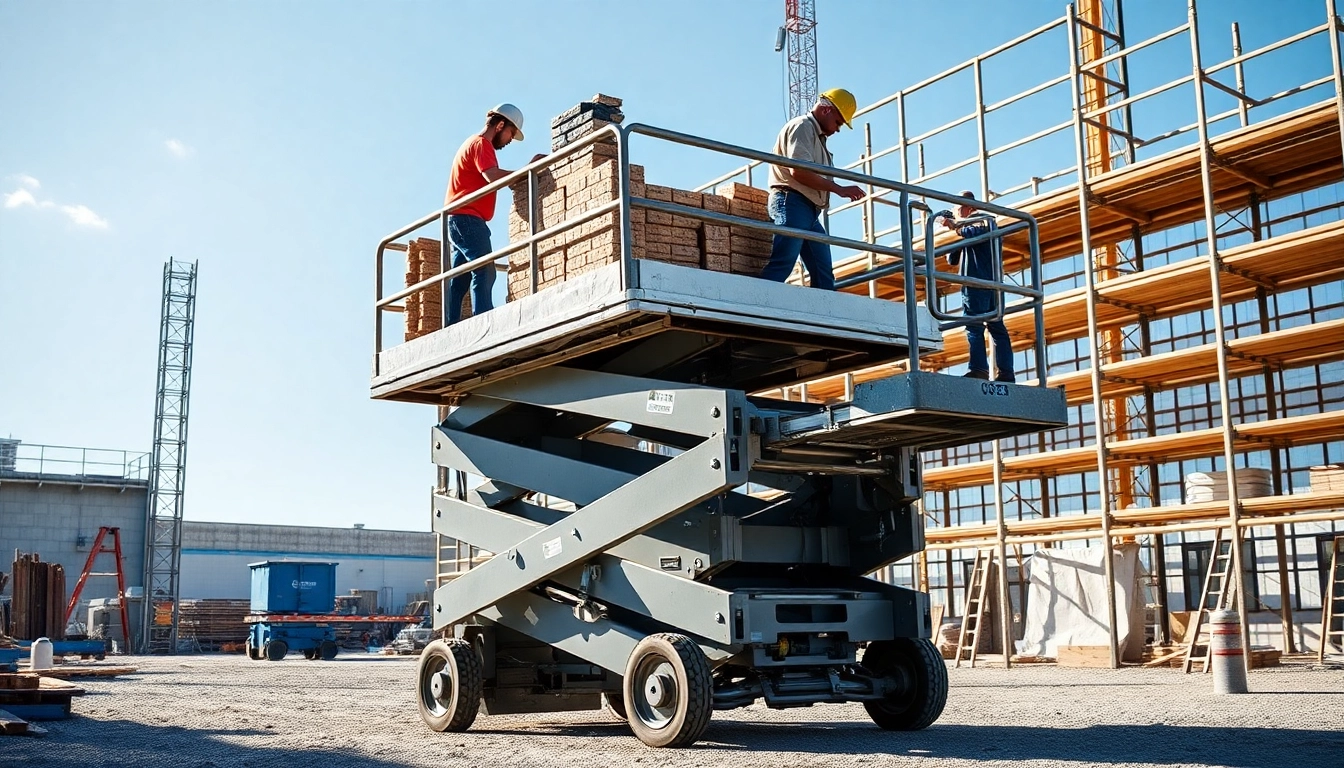
A scissor lift is a type of aerial lift that utilizes a crisscrossing mechanism to elevate a platform vertically. This efficient device is mainly employed to raise personnel and materials to significant heights for various tasks. Commonly seen in construction sites, warehouses, and maintenance settings, the scissor lift is designed to provide a safe and stable work environment while maximizing accessibility. Its vertical lifting attributes make the scissor lift a preferred choice for many tasks that require height access.
Components of a Scissor Lift
The components of a scissor lift play a vital role in its functionality and safety. Understanding these parts is essential for operation and maintenance. Key components include:
- Platform: The area where operators stand, often equipped with guardrails for safety.
- Cylinder: Hydraulic cylinders provide the lifting power necessary to elevate the platform.
- Base: A sturdy base provides stability and supports the entire lift.
- Control system: The control panel allows the operator to raise, lower, and navigate the lift.
- Scissor arms: The interlacing arms that work together to create vertical movement.
Types of Scissor Lifts
Scissor lifts come in various types, each designed for specific applications and work environments. Here are the most common types:
- Electric Scissor Lifts: Ideal for indoor use, these lifts are quiet and emission-free, making them suitable for tasks in tight spaces.
- Rough Terrain Scissor Lifts: Equipped with all-terrain tires and enhanced stability, these lifts are perfect for outdoor projects that involve uneven surfaces.
- Low-Profile Scissor Lifts: Designed for applications where height is necessary but space limitations exist, these lifts offer a compact design without sacrificing lift capacity.
- Diesel Scissor Lifts: These powerful lifts are best for outdoor work, providing reliable performance on challenging terrains.
Applications of the Scissor Lift
Construction and Maintenance
In construction, scissor lifts are invaluable tools for reaching elevated areas for tasks like framing, drywall installation, and painting. Their ability to safely carry multiple workers and materials increases efficiency and reduces downtime on the job site. Maintenance tasks, such as replacing light fixtures or conducting roof inspections, are also more manageable with the use of a scissor lift, providing quick access to hard-to-reach locations.
Warehouse Operations
Scissor lifts significantly enhance warehouse operations by allowing workers to access high storage areas easily. In environments where maximizing vertical space is crucial, these lifts improve inventory management and retrieval efficiency. Moreover, they allow for the safe unloading and loading of goods, minimizing the risk of accidents and increasing employee productivity.
Event Setup and Management
During large events, scissor lifts provide logistical support by allowing staff to set up lighting, sound equipment, and decorations at elevated heights. Their mobility and capability of reaching significant heights make them ideal for staging setups at concerts, trade shows, and exhibitions. Utilizing a scissor lift for event management ensures that setups are completed quickly and safely, contributing to the overall success of the event.
Benefits of Using a Scissor Lift
Increased Safety Standards
One of the most significant advantages of utilizing a scissor lift is the enhanced safety it provides. With guardrails, non-slip surfaces, and stability features, scissor lifts minimize the risks associated with working at heights. Operator training and compliance with safety regulations further ensure that accidents are avoided, protecting workers and reducing liability for employers.
Enhanced Productivity
Scissor lifts contribute to improved productivity by allowing workers to accomplish tasks quickly and efficiently. Their ability to raise multiple personnel simultaneously reduces the number of trips needed to complete a job. Furthermore, the integrated technology in modern scissor lifts—such as smart controls and quick setup—streamlines operations, ensuring a smooth workflow across projects.
Cost Effectiveness
Investing in scissor lifts can yield substantial savings for businesses. By reducing the need for scaffolds or ladders and minimizing workplace accidents, companies can lower their operational costs. Additionally, the scalability of using scissor lifts—either through purchase or rental—makes it feasible for businesses to manage their expenses effectively while still having access to necessary equipment.
How to Operate a Scissor Lift Safely
Pre-Operational Checks
Before operating a scissor lift, conducting a thorough pre-operational inspection is crucial. This includes checking the hydraulic systems, controls, emergency features, battery levels, and overall structural integrity. Ensuring that the area is clear of obstacles and assessing environmental conditions is also essential to avoid accidents during operation.
Operational Guidelines
To operate a scissor lift safely, it’s imperative to follow established guidelines. Operators should familiarize themselves with the controls and functions before use. Maintaining a safe working distance from overhead obstacles and adhering to weight limitations are critical components of safe operation. Additionally, wearing appropriate personal protective equipment (PPE) and ensuring adequate ground support stability will enhance safety during use.
Post-Operation Procedures
After the completion of tasks, proper post-operation procedures must be followed. This includes lowering the platform completely, powering down the lift, and conducting a post-use inspection to identify any maintenance needs. Furthermore, ensuring the lift is secured properly can prevent unauthorized access and mitigate safety risks.
FAQ Section
What is the maximum height of a scissor lift?
The maximum height varies by model, with some reaching up to 70 feet, ideal for various applications.
Are scissor lifts easy to operate?
Yes, scissor lifts are user-friendly and, with minimal training, operators can efficiently use them for various tasks.
What types of surfaces can a scissor lift operate on?
Scissor lifts can operate on numerous surfaces, including concrete and gravel, depending on the design and model specifications.
Do I need a license to operate a scissor lift?
While licensing requirements may vary, completing safety training is highly recommended to ensure operator competence.
How much does it cost to rent a scissor lift?
Rental costs can range from $100 to $400 per day, depending on the model, location, and duration of use.
Contact Information
Call Us:4062607988Address: 3906 MT-40, Columbia Falls, MT 59912