Understanding Pressure Vessel Design Basics
Pressure vessel design is a critical area of engineering that demands a deep understanding of mechanics, materials, and safety regulations. It encompasses the creation of containers designed to hold gases or liquids at pressures significantly different from the ambient pressure. For any organization involved in chemical processing, energy production, or any field requiring high-pressure solutions, mastering Pressure Vessel Design is pivotal to success and safety.
What is Pressure Vessel Design?
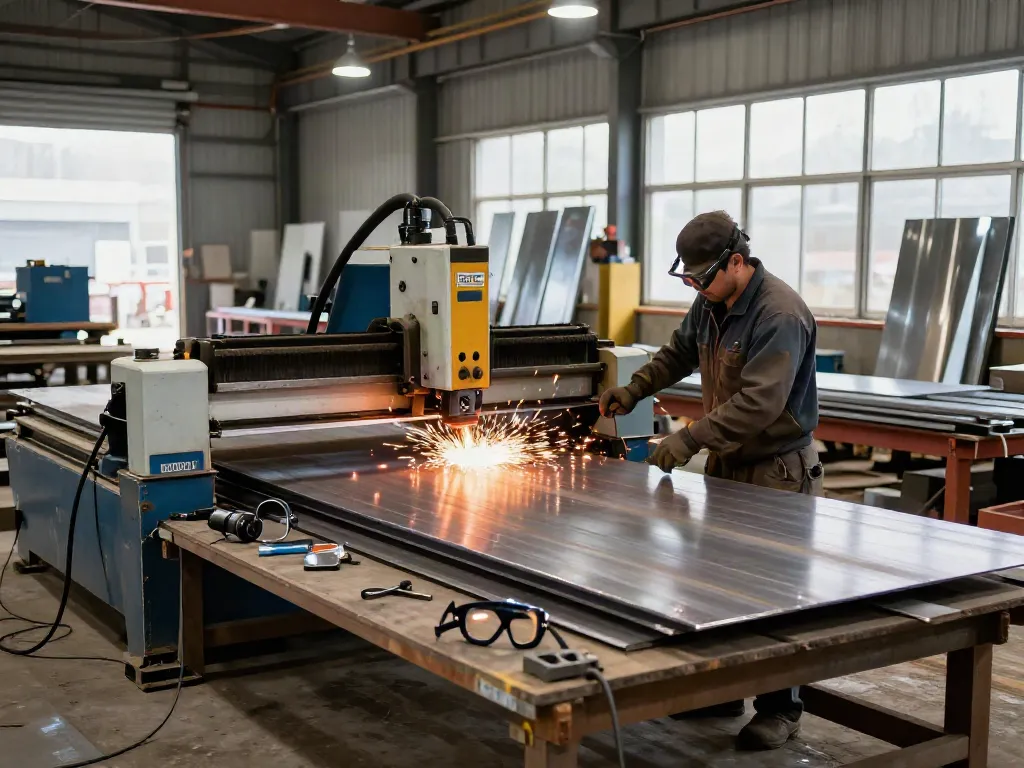
A pressure vessel is essentially a pressure-tight container designed to hold gases or liquids. Typically constructed with robust materials and formulated to withstand high pressures, these vessels are essential in various industries, including oil and gas, chemical processing, and pharmaceuticals. The design process involves not only the calculation of thickness, material selection, and structural integrity but also the adherence to safety standards and regulations that govern their usage.
Common Shapes and Configurations
The most common shapes of pressure vessels are cylindrical and spherical. Cylindrical vessels are favored for their efficiency in strength-to-weight ratios and are often used in pipelines and storage tanks. Spherical vessels, while more complicated to manufacture, maximize volume under pressure, making them ideal for applications such as gas storage. Additionally, configurations can include end closures like hemispherical or ellipsoidal heads, which help distribute stress and withstand internal pressures efficiently.
Materials Used in Pressure Vessel Manufacturing
The choice of materials for pressure vessel manufacturing is a crucial consideration in the design process. Common materials include:
- Carbon Steel: Generally the most cost-effective choice, utilized in many industries.
- Stainless Steel: Offers excellent corrosion resistance, making it suitable for chemical processes.
- Alloys: Such as nickel or titanium, are used for specific applications where enhanced strength or resistance to high temperatures is required.
Material selection must consider factors including the operating temperature, pressure, and the corrosiveness of the fluids contained.
Importance of Regulations in Pressure Vessel Design
regulation is paramount in pressure vessel design, ensuring that safety and operational standards are met. The implications of neglecting these regulations can lead to catastrophic failures, making it essential for engineers to stay abreast of current standards.
Key Standards to Follow
The American Society of Mechanical Engineers (ASME) provides a comprehensive set of codes, known as the ASME Boiler and Pressure Vessel Code (BPVC), which outlines requirements for pressure vessel design, construction, and inspection. Compliance with such standards not only meets legal requirements but also enhances reliability and safety.
Safety Considerations in Design
Safety is a paramount consideration in pressure vessel design. Key aspects include:
- Safety Factor: Designers must incorporate a safety factor to account for unexpected stresses and potential material flaws.
- Corrosion Allowance: This provides additional material thickness to combat degradation over time.
- Regular Inspections: Compliance with inspection criteria ensures vessels are maintained over their operational lifespan.
Testing and Compliance Procedures
After construction, pressure vessels undergo rigorous testing, including hydrostatic and pneumatic tests, to verify their integrity under expected operating conditions. Documentation of these tests and adherence to compliance procedures is essential for maintaining operational licenses and ensuring safety standards are upheld.
Design Process for Pressure Vessels
The design process for pressure vessels involves several critical steps, each aimed at ensuring safety, efficiency, and compliance with regulatory standards.
Initial Design Considerations
The initial design phase should focus on understanding the operational environment, the type of fluids involved, and the intended application of the pressure vessel. Engineers must evaluate factors such as temperature, pressure, and mechanical considerations to define the vessel's specifications accurately.
Software Tools for Pressure Vessel Design
Modern engineering has benefited significantly from software tools that facilitate pressure vessel design. Programs such as AutoCAD, CAEPIPE, and CademPVD enable engineers to model vessels accurately, perform stress analyses, and ensure compliance with design codes. These tools streamline the design process and reduce the likelihood of human error.
Collaboration and Design Reviews
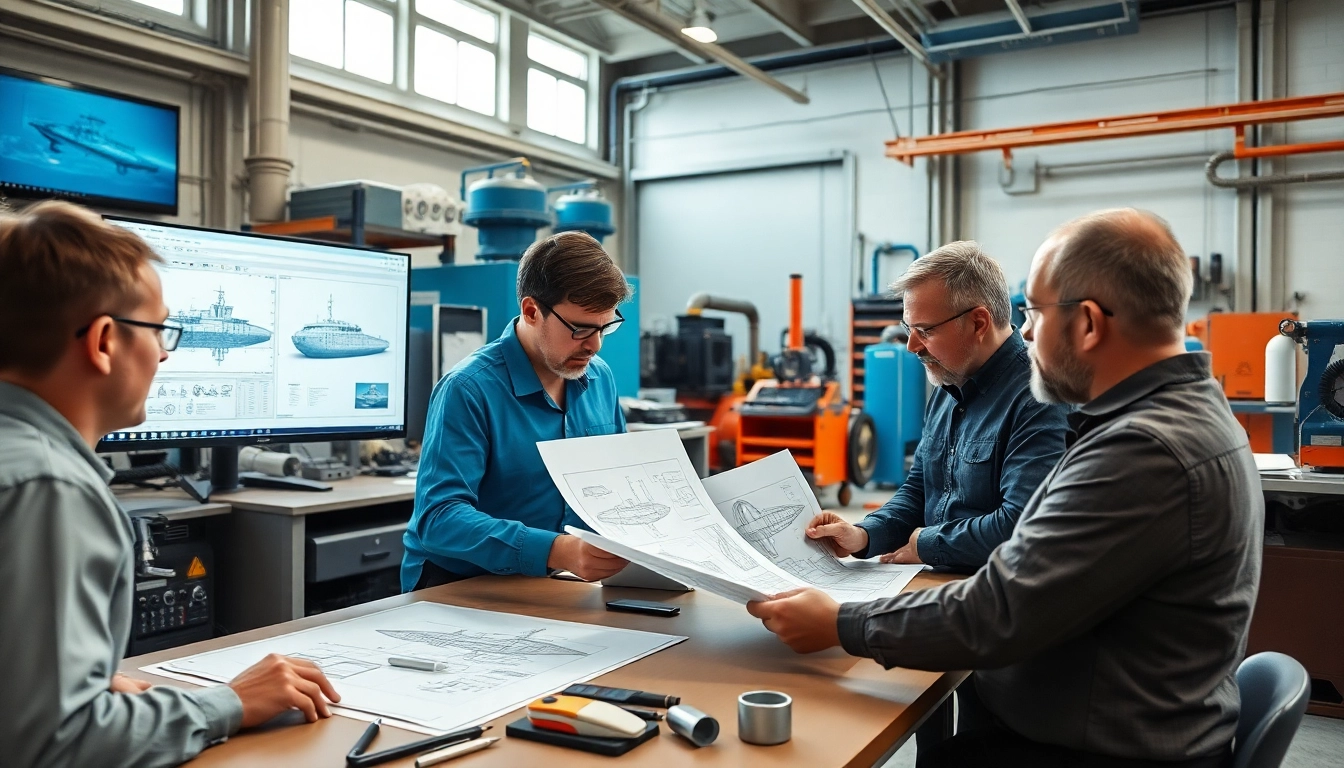
Effective collaboration between multidisciplinary teams is essential during the design phase. Conducting regular design reviews allows for the identification of potential issues before the manufacturing stage, ensuring the safety and efficiency of the pressure vessels produced.
Challenges in Pressure Vessel Design
Despite advanced technologies and methodologies, designers face numerous challenges in the development of pressure vessels.
Mitigating Design Errors
Design errors can have dire consequences, leading to vessel failures and dangerous situations. Employing advanced modeling techniques and conducting thorough peer reviews can mitigate these risks. Additionally, utilizing simulation software helps predict performance under various conditions, further reducing the likelihood of errors.
Addressing Material Limitations
Material limitations pose significant challenges in pressure vessel design. Engineers must carefully select materials that balance strength, cost, and resistance to the operating environment. Continuous research into advanced materials, such as composite materials or new alloys, can provide future solutions to this ongoing challenge.
Dealing with Regulatory Changes
Regulatory changes may impact existing designs and operations. Staying informed through professional organizations and continuing education ensures that engineers adapt to new regulations promptly, preserving both safety and compliance.
Future Trends in Pressure Vessel Design
The future of pressure vessel design is likely to be shaped by several emerging trends, focusing on innovation and sustainability.
Integration of Smart Technology
Smart technology integration, including sensors and data analytics, is revolutionizing pressure vessel design. These innovations enable real-time monitoring of vessel performance, enhancing predictive maintenance, and minimizing downtime.
Advancements in Materials Science
Ongoing advancements in materials science are yielding new materials that are stronger, lighter, and more resistant to extreme conditions. This ongoing research is crucial for the development of next-generation pressure vessels that meet evolving industry demands.
Global Trends and Market Outlook
As industries worldwide seek to improve productivity and sustainability, the pressure vessel design landscape continues to evolve. Increased emphasis on renewable energy and stringent environmental regulations will drive innovation and investment in safer, more efficient designs.
FAQs
What is a pressure vessel?
A pressure vessel is a container designed to hold gases or liquids at pressures different from the ambient pressure, typically constructed in cylindrical or spherical shapes.
Why is ASME important for pressure vessel design?
The ASME code establishes rigorous standards for design, construction, and inspection, ensuring the safety and reliability of pressure vessels in various applications.
What materials are best for pressure vessels?
Commonly used materials include carbon steel for cost-effectiveness, stainless steel for corrosion resistance, and alloys for high-stress applications based on operational requirements.
How do you calculate pressure vessel dimensions?
Dimensions are calculated based on expected internal pressure, temperature, and safety factors, taking into consideration maximum allowable stress per applicable design codes.
What are the design codes used in the industry?
Major design codes include ASME Section VIII for pressure vessels, API 650 for storage tanks, and PD 5500 for vessels, each tailored for specific applications.