Understanding HVAC Duct Leakage
What is HVAC Duct Leakage?
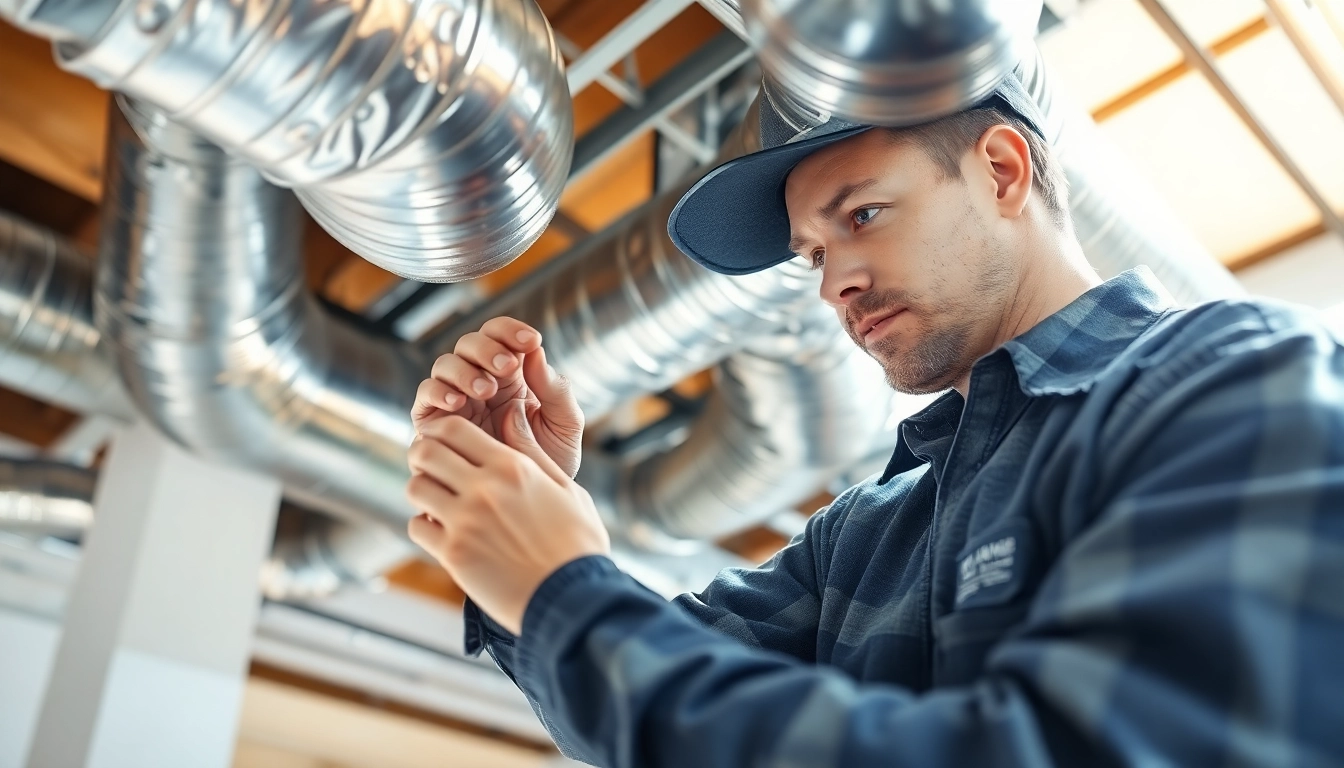
HVAC duct leakage refers to the loss of conditioned air from your heating, ventilation, and air conditioning (HVAC) system through holes, gaps, or cracks in the ductwork. This leakage can occur in any part of a duct system, including the air supply ducts, return ducts, and at connections to air registers. The efficiency and performance of your HVAC system are heavily compromised due to havc duct leakage, leading to increased energy consumption and higher utility bills.
Signs of HVAC Duct Leakage
Detecting HVAC duct leakage early can save homeowners a significant amount on repair and energy costs. Here are some common signs that might indicate duct leaks:
- Inconsistent Temperatures: Rooms with leaky ducts often experience drastic temperature differences. Some rooms may be too hot while others remain uncomfortably cold.
- High Energy Bills: If there’s an unexplained increase in your energy costs, it may be due to HVAC duct leakage.
- Dust and Debris: Excessive dust accumulation in your home can suggest that air is being pulled from unconditioned spaces through leaks.
- Odors: Unpleasant smells can travel through leaky ducts, as they might be drawing air from areas like crawlspaces or attics.
Causes of HVAC Duct Leakage
Several factors can contribute to HVAC duct leakage. Understanding these can help in prevention and maintenance:
- Age and Wear: Over time, ducts can deteriorate due to natural wear and tear, leading to cracks and gaps.
- Poor Installation: If ducts are not installed correctly, they may not fit properly, resulting in leaks.
- Building Settling: As homes settle, structural changes may lead to misalignments in ductwork.
- Inadequate Sealing: The materials used for sealing duct joints may degrade over time, leaving gaps for air to escape.
Conducting HVAC Duct Leakage Tests
Essential Tools for Duct Leakage Testing
To effectively conduct duct leakage testing, certain tools are essential:
- Blower Door Test Kit: This kit helps measure the airtightness of your home, allowing for an accurate assessment of duct leakage.
- Smoke Pencil: This device produces a small smoke plume that can visualize airflow changes, helping identify leaks.
- Manometer: This instrument measures the pressure difference in the ducts compared to the surrounding environment.
Step-by-Step Guide to Testing for Duct Leakage
Testing for HVAC duct leakage involves several systematic steps:
- Inspect Ducts: Begin with a visual inspection of the ductwork, looking for obvious holes and loose connections.
- Perform Blower Door Test: Install the blower door to create a pressure differential within the building.
- Use a Manometer: Attach the manometer to measure duct pressure; this will indicate the presence and extent of leakage.
- Assess with Smoke Pencil: Use a smoke pencil to locate leaks visually, concentrating on joints and connections.
- Document Findings: Record all leakage points and their severity to plan further actions.
Interpreting Duct Leakage Test Results
Understanding the significance of test results is crucial:
- CFM Measurements: The Cubic Feet per Minute (CFM) readout can inform you if the leakage is within a normal range or excessive.
- Pressure Differentials: High pressure differentials indicate significant leaks and require immediate attention.
- Location of Leaks: Detailed documentation will help prioritize which areas need sealing first.
Preventing HVAC Duct Leakage
Best Practices in Duct Installation
Proper installation is vital for preventing future leaks. Key practices include:
- Choose Quality Materials: Invest in durable and appropriate materials for your ductwork to withstand wear.
- Follow Manufacturer Guidelines: Ensure installation follows specific recommendations to avoid misalignments.
- Seal Joints Effectively: Use dependable sealing methods at joints and connections to prevent leaks from forming.
Sealing Techniques for Ductwork
Sealing techniques play a crucial role in minimizing leaks:
- Mastic Sealant: A thick paste used to seal joints and seams, offering excellent adhesion.
- Duct Tape: While commonly used, ensure high-quality duct tape when applied, as low-quality options can fail quickly.
- Foam Insulation: This provides an effective seal around ducts and can help with thermal efficiency.
Regular Maintenance and Inspections
Routine inspections are essential for detecting and preventing duct leaks:
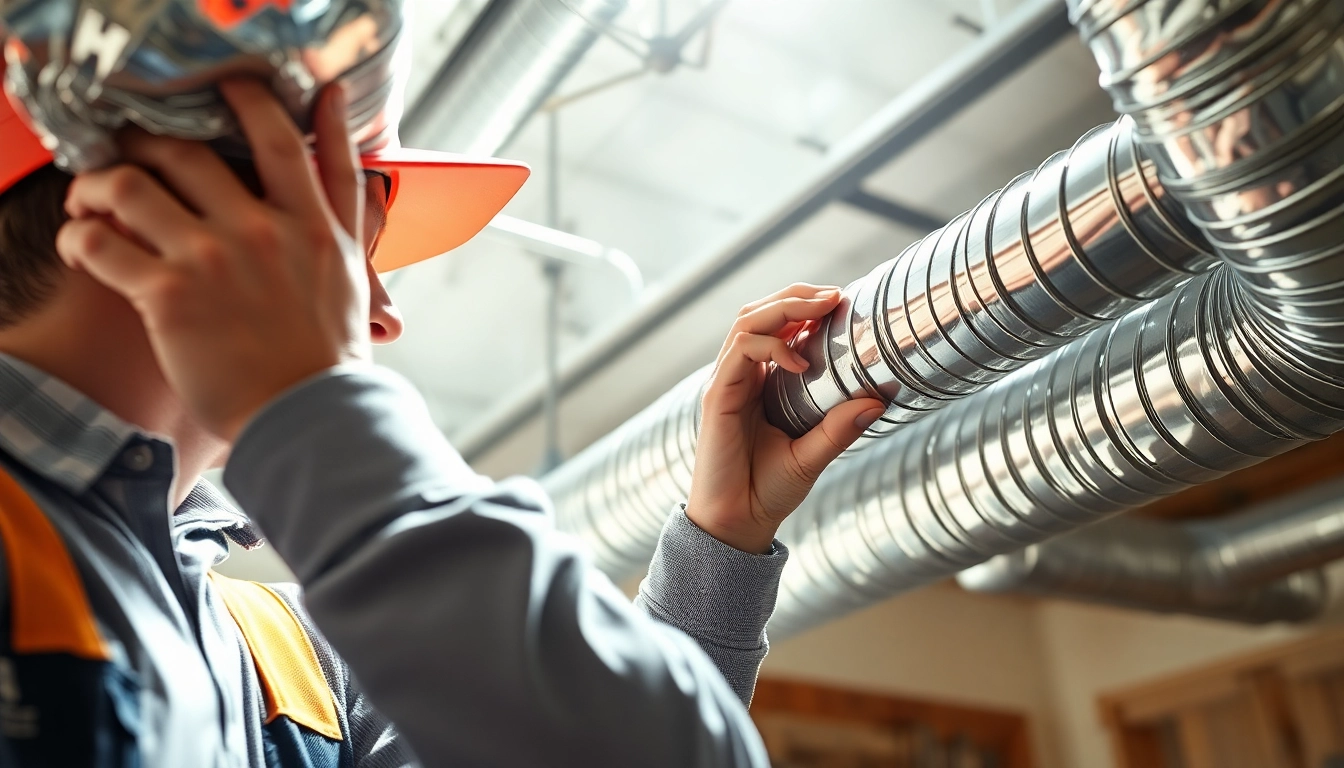
- Schedule Regular Checks: Annual assessments can catch potential leaks early.
- Change Filters: Regularly changing air filters optimizes system efficiency and reduces dust accumulation.
- Inspect Insulation: Ensure that insulation around ductwork remains intact, minimizing energy loss.
Impact of HVAC Duct Leakage on Energy Efficiency
Energy Loss Due to Duct Leakage
Duct leakage is a significant source of energy loss, accounting for up to 30% of conditioned air escaping into unconditioned spaces. This inefficiency can lead to substantial wastage of energy resources and an increase in utility costs for homeowners.
Health Effects Related to Poor Duct Sealing
Poorly sealed ducts can introduce dust, pollen, and other pollutants into your home’s air supply. This can exacerbate allergies and respiratory issues, compromising indoor air quality and overall health.
Calculating Potential Savings from Repairs
By sealing duct leaks, homeowners can save an estimated 20-30% on energy bills. Performing a cost-benefit analysis of sealing methods versus potential savings can justify the initial investment.
Frequently Asked Questions About HVAC Duct Leakage
How often should I test for HVAC duct leakage?
It's recommended to test for duct leakage every few years, or sooner if you notice signs such as uneven temperatures or rising energy bills.
What are common DIY methods for detecting duct leakage?
Common DIY methods include using a smoke pencil or checking for temperature differences in rooms to locate leaks without professional tools.
Are there professional services for duct sealing?
Yes, many HVAC companies offer professional duct sealing services, which can effectively address significant leakage issues.
How does duct leakage affect indoor air quality?
Duct leakage can allow contaminants from unconditioned spaces to enter your home, reducing air quality and potentially causing health issues.
Can I seal duct leaks myself or do I need a professional?
Many small leaks can be sealed by DIY methods, but significant leakage issues may require professional intervention for effective sealing.