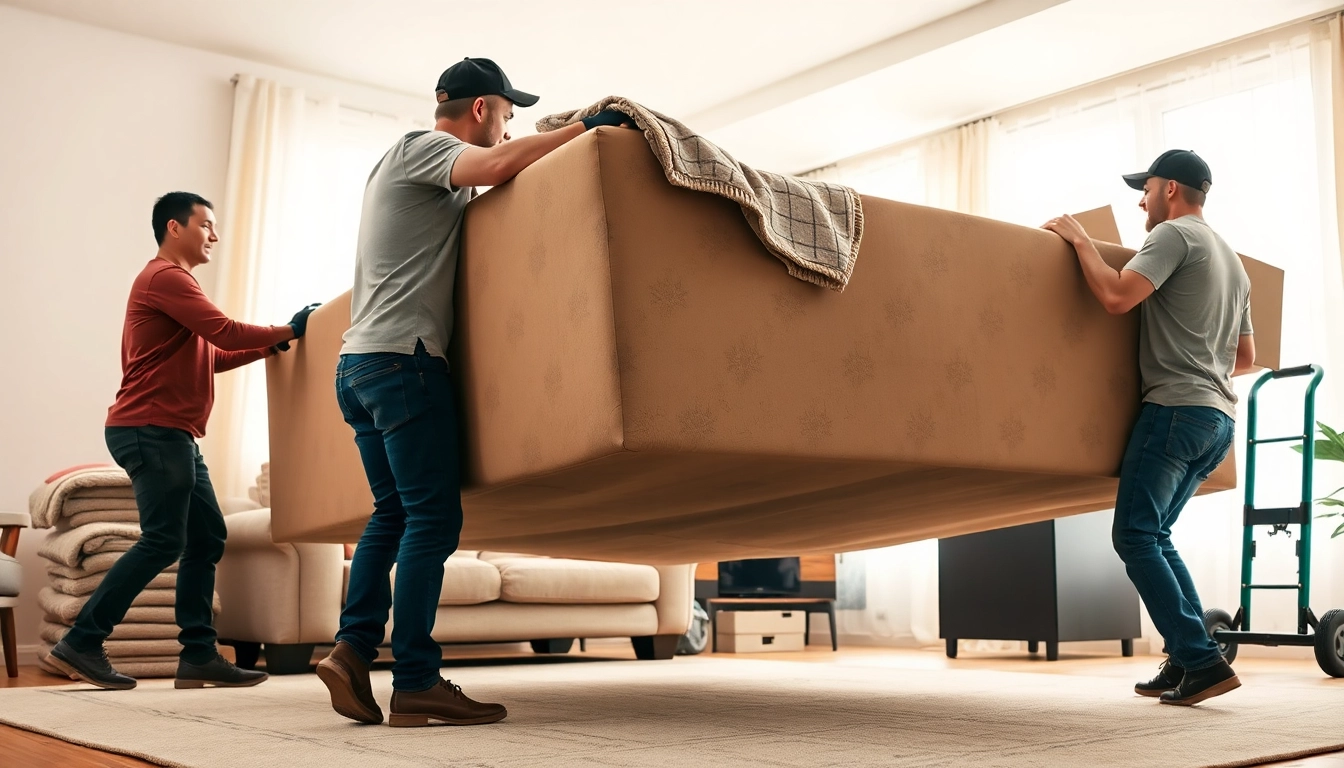
Understanding the Challenges of Oversize Item Moves
Moving can be a daunting experience, particularly when it involves oversize item moves. These large items, which might include bulky furniture, pianos, or appliances, present unique challenges that require thoughtful strategies and meticulous planning. To ensure a smooth transition, it's essential to recognize the common obstacles related to these moves, maintain safety protocols, and assess space requirements efficiently.
Common Obstacles Faced During Moves
Oversize item moves often present difficulties not typically encountered with standard moving tasks. Common obstacles may include:
- Access Issues: Tight hallways, narrow door frames, and steep staircases can impede the movement of large items. Identifying potential barriers before the move can save time and prevent damage.
- Weight and Bulk: Oversized items are frequently heavy and unwieldy, requiring extra manpower or specialized equipment to lift and maneuver safely.
- Transportation Limitations: Not all moving vehicles are equipped to handle large loads. Ensuring the right vehicle is available is crucial for safe and efficient transport.
Key Safety Considerations
Safety should always be a priority during any move, especially when dealing with heavy and oversized items. Key safety considerations include:
- Proper Lifting Techniques: Incorrect lifting can lead to injuries. Employing safe lifting methods, such as bending at the knees and maintaining a straight back, is essential.
- Utilizing Protective Gear: Wearing gloves, steel-toed boots, and back support can greatly reduce injury risks while maneuvering large items.
- Working in Teams: When moving oversized items, enlisting the help of multiple people ensures better control and reduces the risk of accidents.
Assessing the Space Requirements
Before attempting to move any oversize items, it's critical to assess the available space—not just in the current location but also in the destination. This includes:
- Exit Path Analysis: Review the entire route the item will take, ensuring there are no obstacles against walls, furniture, or fixtures.
- Measurement: Measuring doorways, stairways, and lift dimensions will help determine the feasibility of moving the item without dismantling it.
- Planning for the New Space: Consider how much room the oversized item will require in its new home and whether adjustments will be necessary.
Preparation for Oversize Item Moves
Measuring and Planning the Route
Accurate measurements are foundational to successful oversize item moves. A well-planned route minimizes risks of damage and enhances efficiency. Start by:
- Taking Measurements: Measure the height, width, and length of the item to ensure it fits through all passage points.
- Creating a Moving Strategy: Outline your intended pathway from pick-up to drop-off, noting any tight corners or low ceilings.
- Mock Runs: If possible, practice carrying the item along the determined path to gauge the difficulty and make necessary adjustments.
Gathering the Right Equipment
Equipping yourself with the correct moving gear will significantly ease the process. Essential tools include:
- Dollies and Hand Trucks: Use these for heavy items to minimize lifting.
- Straps and Harnesses: Secure items to prevent slipping or falling during transport.
- Furniture Pads: Protect both the oversized item and surrounding belongings from scratches and dents during the move.
Preparing the Item for Transport
Properly preparing oversized items for transport not only safeguards them but also ensures they arrive at their destination intact. Steps include:
- Disassembly: If possible, disassemble large components to reduce bulk and make them easier to manage.
- Wrapping and Padding: Use blankets, bubble wrap, or foam padding to cover delicate surfaces.
- Labeling Parts: When taking items apart, label each piece to avoid confusion during reassembly.
Choosing the Right Moving Services for Oversize Item Moves
Evaluating Professional Movers
If hiring professionals for your oversize item moves, evaluating potential movers is key. Important factors to consider include:
- Experience: Look for movers with a proven track record in handling oversized items specifically. Experience can indicate familiarity with challenges that arise.
- Insurance Coverage: Always check for proper insurance to protect your belongings in case of damage during transport.
- Customer Reviews: Research past customer experiences to gauge overall satisfaction with their services.
DIY vs. Professional Help
Deciding between a DIY move and hiring professionals depends on several factors:
- Cost: DIY moves might seem cheaper; however, costs can escalate with the purchase of tools and potential damage.
- Physical Capability: Assess your physical readiness and whether you have friends or family to assist.
- Time Constraints: Professionals can often complete moves more quickly due to efficiency and experience.
Understanding Pricing Structures
Understanding how moving services price their labor is critical for budgeting your oversize item moves. Common pricing structures include:
- Hourly Rates: Many moving companies charge by the hour, often requiring a base rate plus additional fees for heavy items.
- Flat Rates: Some movers may provide total cost estimates based on the weight and dimensions of the move.
- Additional Fees: Be mindful of extra fees for stairs, long carries, or fuel surcharges that can add to your overall expenses.
Executing Your Oversize Item Moves
Best Techniques for Lifting and Maneuvering
Executing the move effectively requires the application of correct lifting techniques and maneuvering actions. Techniques to employ include:
- Use Your Legs: When lifting, engage your leg muscles while keeping the item close to your body to minimize strain.
- Team Coordination: Communicate with your partner during lifts to ensure synchronized movements and reduce the risk of accidents.
- Pivot Smartly: Instead of twisting your body, pivot your feet to change direction while carrying items. This reduces back strain.
Using Tools and Equipment Effectively
Employing the right tools during your move can greatly enhance safety and productivity. Tips include:
- Utilize Dollies: For heavy items, make use of dollies to move items over flat surfaces with ease.
- Secure Items: Always secure items in the vehicle using straps to prevent shifting during transit.
- Assess Equipment: Regularly check that all tools are in good working condition to ensure safety.
Ensuring Safety During the Move
Maintaining safety throughout the move involves being aware of your surroundings and adhering to best practices. Recommendations include:
- Clear the Path: Remove any obstacles from walkways and doorways to prevent tripping hazards.
- Monitor Surroundings: Keep an eye on any bystanders during the move to avoid accidents.
- Have a First Aid Kit Ready: Always prepare for the unexpected by having a first aid kit accessible during your move.
Post-Move Considerations for Oversize Item Moves
Setting Up the Space
After your oversize item moves are complete, setting up the item in its new location requires thoughtfulness and precision. Steps to take include:
- Strategically Placing Items: Plan where oversized items will reside based on functionality and design aesthetics.
- Reassembly: If items were taken apart, reassembly should follow the labeling system used during preparation.
- Access Check: Ensure that all utilities or functionalities of the item are easily accessible after placement.
Inspecting for Damage
Once your oversized items are set up, take time to inspect them for any potential damage incurred during the move. This involves:
- Visual Inspection: Look for scratches, dents, or other marks that may not have been noticed immediately.
- Functional Testing: Ensure the item operates as expected, especially for electronics or appliances that may require testing.
- Documenting Damage: If damage is found, document it thoroughly for any necessary claims with your moving company.
Feedback and Reviews on Mover Services
Post-move, providing feedback on your mover's performance is vital. Share your experience by:
- Leaving Reviews: Write honest reviews on platforms where the mover is listed. This helps others in making informed decisions.
- Providing Direct Feedback: Contact the mover directly with any suggestions or comments, fostering a culture of improvement.
- Sharing on Social Media: Share your moving experience on social media to assist friends or followers in their future moves.
Frequently Asked Questions
What items are considered oversize?
Oversized items typically include large furniture, appliances, pianos, or equipment that exceed regular dimensions and weight, complicating the moving process.
How much do movers charge for oversize items?
Charges vary based on distance, weight, and item complexity. Generally, movers may have hourly rates or flat pricing for transporting oversize items.
Can I move large items on my own?
While possible, moving large items solo can be risky due to weight and space limitations. It's often safer and more efficient to enlist professional help.
What should I do if my oversized item is damaged during the move?
If damage occurs, document it immediately and report it to your moving company. Ensure you have photos and a detailed account to provide proof of the damage.
How do I prepare oversized furniture for moving?
Remove detachable parts, wrap items in protective materials, and secure them in the moving vehicle using straps or tie-downs to prevent shifting during transit.