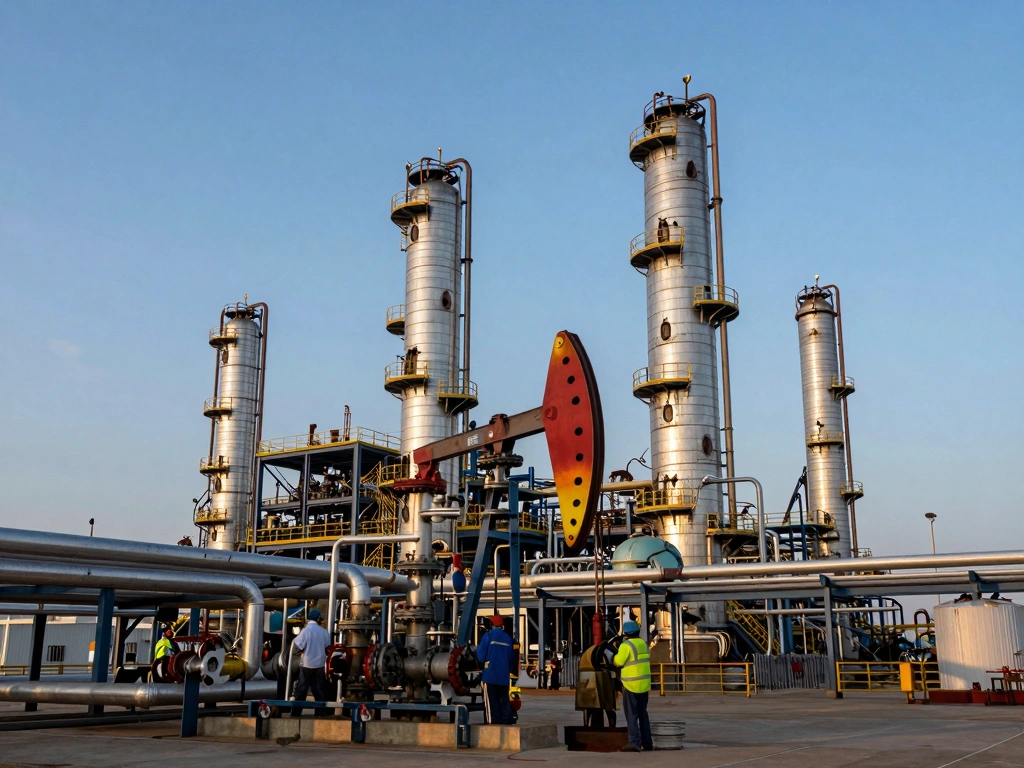
Understanding the Importance of Turnaround Maintenance Scheduling

Turnaround maintenance in oil refineries is a critical process that ensures the facility operates efficiently and safely. Scheduling this maintenance effectively can significantly impact the overall performance of the refinery. In this section, we will explore the importance of scheduling turnaround maintenance, focusing on operational efficiency, cost implications, and regulatory compliance.
Impact on Operational Efficiency
Operational efficiency in oil refineries is paramount. An effective turnaround maintenance schedule minimizes downtime and maximizes production output. For instance, a refinery that typically operates at a capacity of 300,000 barrels per day can face substantial production losses if turnaround maintenance is not scheduled properly. A poorly timed maintenance window can lead to extended outages, resulting in lost revenue, estimated at $1 million per day for large refineries.
Moreover, regular maintenance activities during turnarounds not only enhance equipment reliability but also extend the lifespan of critical machinery. For example, a well-executed turnaround can lead to a 15% increase in machinery efficiency, translating to significant energy savings and reduced operational costs in the long run.
Cost Implications of Poor Scheduling
Cost implications of inadequate turnaround scheduling can be severe. It is estimated that poorly planned turnarounds can increase maintenance costs by up to 30%. This can stem from several factors, including:
- Increased labor costs due to overtime and additional shifts.
- Higher equipment rental costs if additional tools or machinery are required.
- Potential penalties for failing to meet production commitments.
For example, if a refinery incurs an additional $2 million in costs due to poor scheduling, this amount can significantly affect the refinery’s profit margins. Therefore, effective scheduling is not merely a matter of convenience; it is crucial for financial health.
Regulatory Compliance and Safety Considerations
Oil refineries operate under strict regulatory frameworks to ensure safety and environmental protection. Proper scheduling of turnaround maintenance is essential for compliance with regulations set forth by agencies like the Environmental Protection Agency (EPA) and Occupational Safety and Health Administration (OSHA). Failure to comply with these regulations can lead to hefty fines, legal repercussions, and even shutdowns.
Additionally, effective scheduling ensures that safety protocols are adhered to during maintenance operations. For example, comprehensive safety checks during turnarounds can prevent accidents, ultimately enhancing worker safety and reducing liability risks. Refineries have reported a 25% reduction in safety incidents during well-scheduled turnarounds, underscoring the importance of this practice.
Key Factors Influencing Turnaround Maintenance Timing
Several factors influence the timing of turnaround maintenance in oil refineries. Understanding these factors is crucial for developing an effective maintenance schedule that aligns with production goals.
Production Cycles and Demand Forecasting
Production cycles and demand forecasting play a pivotal role in determining when maintenance should take place. Refineries need to analyze market trends, seasonal demands, and historical production data to identify optimal timing for turnarounds. For instance, if a refinery anticipates increased demand for gasoline during the summer driving season, scheduling turnarounds during periods of lower demand, such as early spring or late fall, can minimize disruptions.
Utilizing predictive analytics tools can assist refineries in accurately forecasting demand. A refinery that uses advanced analytics might find that by scheduling turnarounds during identified low-demand periods, they can maintain an average production rate of 90% or higher throughout the year.
Equipment Lifespan and Reliability Analysis
The lifespan and reliability of equipment are critical considerations when scheduling turnaround maintenance. Refineries must conduct regular reliability assessments to determine when equipment is likely to fail or require maintenance. For example, if a particular distillation column has a mean time between failures (MTBF) of 10 years, a turnaround may be scheduled just before its expected maintenance window to avoid unplanned outages.
Additionally, employing condition monitoring technologies, such as vibration analysis and thermal imaging, can provide real-time insights into equipment health, allowing for data-driven scheduling of maintenance activities. Refineries leveraging these technologies have reported a reduction in unplanned downtime by up to 40%.
Seasonal and Environmental Considerations
Seasonal and environmental factors also influence turnaround scheduling. Weather conditions can significantly impact maintenance activities, particularly in regions prone to extreme temperatures or storms. Scheduling turnarounds during milder weather can enhance safety and improve working conditions for maintenance crews.
For instance, a refinery located in a region with harsh winters might avoid scheduling turnarounds during the winter months when snow and ice could hinder operations. By strategically planning turnarounds during the fall, when conditions are more favorable, the refinery can reduce risks associated with inclement weather.
Best Practices for Developing a Turnaround Maintenance Plan
Creating a robust turnaround maintenance plan involves careful planning and execution. Here are some best practices that refineries can adopt to enhance their turnaround scheduling processes.
Creating a Detailed Scope of Work
A clear and detailed scope of work is essential for effective turnaround maintenance planning. This scope should outline all necessary tasks, timelines, and resource allocations. For example, a refinery might detail the specific maintenance activities required for each unit, including inspections, repairs, and replacements.
Involving engineering teams in the planning process can help ensure that all aspects of the work are covered. This includes identifying potential bottlenecks and scheduling constraints that may arise during the turnaround. A comprehensive scope can reduce the likelihood of unexpected delays and costs.
Engaging Stakeholders in the Planning Process
Engaging all relevant stakeholders in the planning process is vital for successful turnaround maintenance. This includes maintenance teams, operations personnel, management, and external contractors. Regular meetings and collaborative planning sessions can help align everyone’s goals and expectations.
For example, a refinery might establish a steering committee to oversee the turnaround planning process, ensuring that all departments are represented. This collaborative approach can lead to improved communication and a greater understanding of the challenges and opportunities associated with the turnaround.
Utilizing Technology for Planning and Forecasting
Technological advancements have transformed the way refineries approach turnaround maintenance scheduling. Utilizing specialized software for planning and forecasting can greatly enhance efficiency. Tools such as SAP PM (Plant Maintenance) and Primavera P6 help in tracking maintenance schedules, resource allocations, and progress.
Moreover, predictive maintenance software can analyze historical data to forecast potential issues, allowing refineries to schedule turnarounds proactively rather than reactively. A refinery employing such technology has reported a 20% reduction in turnaround times, leading to substantial cost savings.
Resource Allocation and Workforce Management During Turnarounds
Effective resource allocation and workforce management are crucial during turnarounds. The following sections outline strategies for optimizing labor and contractor management during these critical periods.
Scheduling Labor and Craft Resources Effectively
Labor management is a key component of turnaround success. Refineries should develop a comprehensive labor schedule that accounts for the specific skills required for each task. This can involve cross-training employees to ensure that multiple workers can perform essential roles, thereby increasing flexibility during the turnaround.
For instance, if a refinery requires 100 workers for a major overhaul, ensuring that these workers are not only specialized but also cross-trained can help mitigate risks associated with absenteeism or last-minute changes. Effective resource scheduling may involve creating a tiered labor force where skilled workers are prioritized for critical tasks while less experienced workers assist in less complex duties.
Managing Contractor and Vendor Relationships
Managing relationships with contractors and vendors is essential for ensuring that turnaround projects stay on track. Refineries should establish clear expectations and communication channels with all external partners involved in the maintenance process. This includes defining the scope of work, timelines, and performance metrics.
A successful example of contractor management is the case of a refinery that implemented a contractor performance evaluation system. By regularly assessing contractor performance against established KPIs, such as safety records and adherence to schedules, the refinery was able to enhance accountability and improve overall turnaround efficiency.
Training and Safety Protocols for Turnaround Teams
Safety is a top priority during turnaround maintenance. Refineries must invest in training programs that equip turnaround teams with the skills and knowledge needed to perform their tasks safely and effectively. Comprehensive safety training should cover equipment handling, emergency procedures, and hazard recognition.
For example, a refinery might conduct a series of safety drills prior to a turnaround to ensure that all team members are familiar with emergency protocols. This proactive approach can reduce the likelihood of accidents and enhance overall safety during the maintenance process.
Post-Turnaround Review and Continuous Improvement Strategies
Once a turnaround is complete, it is essential to conduct a thorough review to evaluate performance and identify areas for improvement. This section explores strategies for continuous improvement in turnaround maintenance.
Evaluating Turnaround Performance Metrics
Evaluating performance metrics is crucial for understanding the effectiveness of the turnaround. Key performance indicators (KPIs) such as turnaround duration, cost overruns, and safety incident rates should be analyzed to assess performance.
For example, if a refinery completed a turnaround in 25 days instead of the planned 30 days, this could indicate effective planning and execution. However, if the costs exceeded budget by 15%, it may highlight areas for improvement in resource management or contractor oversight.
Incorporating Lessons Learned into Future Plans
Incorporating lessons learned from each turnaround into future plans is essential for continuous improvement. Refineries should document successes and challenges encountered during the turnaround process, creating a knowledge repository that can be referenced for future maintenance activities.
This approach can lead to more efficient planning and execution in subsequent turnarounds, reducing costs and improving safety outcomes. For instance, a refinery that experienced delays due to equipment failures might implement more rigorous pre-turnaround inspections in future projects.
Implementing Technological Advancements in Future Turnarounds
Technology continues to evolve, offering new opportunities for improving turnaround maintenance. Refineries should stay abreast of technological advancements that can enhance efficiency, safety, and cost-effectiveness. This includes exploring innovations in predictive maintenance, data analytics, and automation.
For example, adopting digital twin technology can allow refineries to simulate turnaround processes, identifying potential issues before they arise and optimizing resource allocation. Refineries that embrace such technologies will likely see improved turnaround performance and lower operational risks.