Understanding Bed Bugs and Their Habits
Identifying Bed Bugs
Bed bugs are small, reddish-brown insects known scientifically as Cimex lectularius. Adult bed bugs are approximately the size of an apple seed, making them relatively easy to identify. They have flat bodies, which allows them to hide easily in various crevices such as mattress seams, furniture joints, and even behind wallpaper. Nymphs are smaller and lighter in color, often appearing translucent or pale yellow until they feed. To confirm their presence, look for shed skins, eggs, and dark spots from digested blood that may appear on bedding and surfaces.
Common Signs of Infestation
Signs of bed bug infestation can be subtle, but being vigilant can help catch them early. Besides the visible bugs themselves, signs include:
- Bite Marks: Often appearing in clusters or rows, bite marks tend to be red and itchy.
- Blood Stains: Small spots on your sheets or pillowcases may indicate crushed bed bugs.
- Fecal Spots: Tiny dark dots often found in places where bed bugs hide.
- Musty Odor: An accumulation of bed bugs may emit an unpleasant, sweet scent.
The Life Cycle of Bed Bugs
The life cycle of bed bugs consists of five nymph stages before reaching adulthood. The entire cycle can take anywhere from several weeks to several months, depending on environmental conditions like temperature and food availability. Female bed bugs can lay hundreds of eggs in their lifetime, leading to rapid population growth. Understanding this life cycle helps in planning effective extermination methods like bed bug heat treatment.
How Bed Bug Heat Treatment Works
Mechanisms of Heat Treatment
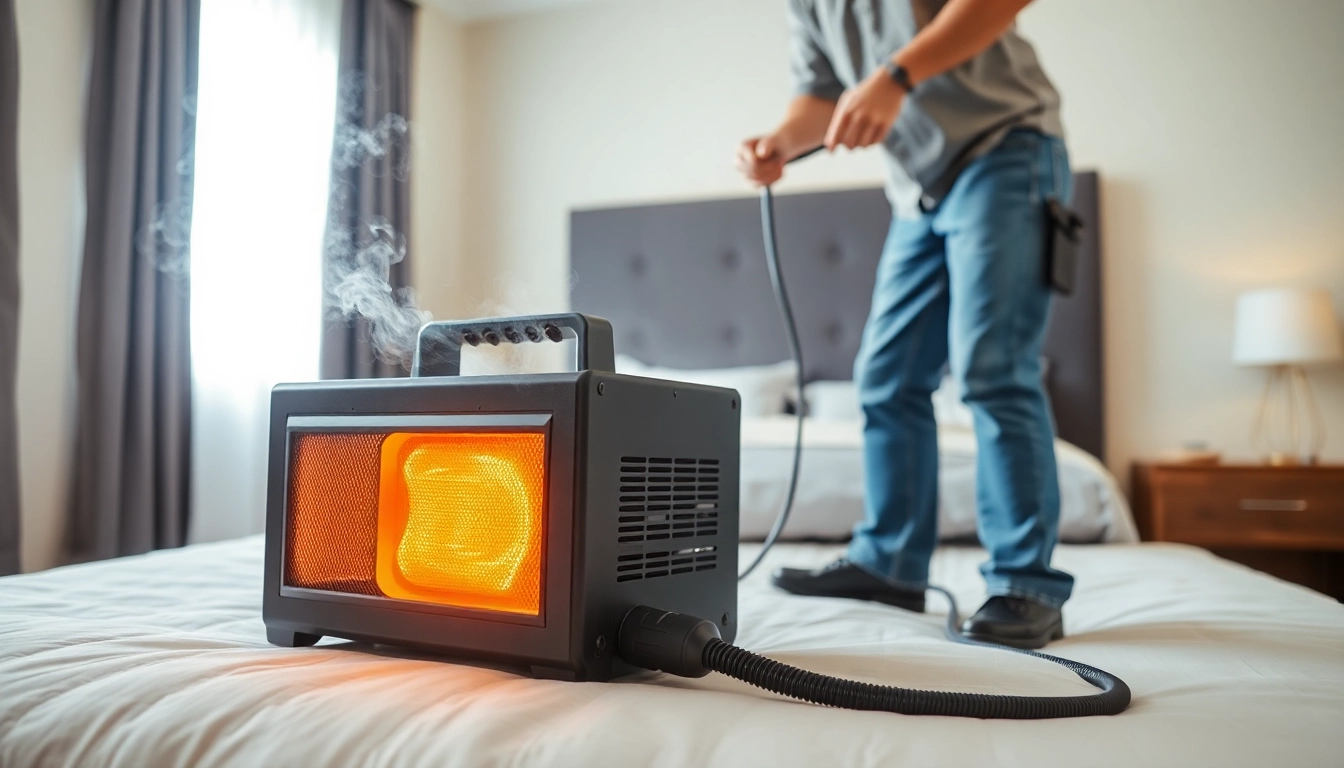
Bed bug heat treatment works on the principle that exposure to high temperatures can eradicate bed bugs effectively. The process involves using specialized heaters and fans to raise the temperature of infested spaces to levels lethal to bed bugs, typically around 120°F to 140°F. At such temperatures, not only are adult bed bugs killed, but so are their eggs, ensuring a comprehensive extermination with minimal residual effects.
Temperature Requirements for Success
For effective bed bug extermination, maintaining temperatures between 120°F and 140°F for an extended period is crucial. Many professionals recommend heating the space to around 135°F and ensuring that this temperature is sustained for at least four to six hours. Continuous monitoring is essential, as different areas may heat unevenly, creating cold spots where bed bugs might survive.
The Process of Heat Treatment
The heat treatment process typically unfolds in several stages:
- Preparation: Homes must be prepared by removing or securing personal items and electronics that can be damaged by heat.
- Heating: Professional-grade heaters are set up to distribute heat evenly throughout the infested area.
- Monitoring: Technicians monitor temperatures using infrared thermometers throughout the treatment.
- Post-treatment Inspection: After cooling, a thorough inspection ensures bed bugs are eradicated.
Advantages of Bed Bug Heat Treatment
Toxic-Free Extermination Method
One of the most significant benefits of heat treatment is that it is a chemical-free method of pest control. This aspect makes it an attractive option for individuals concerned about the toxicity of traditional pesticides, especially in environments like homes, schools, and hospitals. Heat treatment is safe for both people and pets while effectively eliminating all life stages of bed bugs.
Efficiency and Speed of Treatment
Heat treatment offers swift results, often eliminating bed bugs in a single day. Compared to multiple rounds of pesticide application, heat treatment minimizes disruption and provides rapid relief from infestations. This efficiency can lead to significant savings in both time and cost for homeowners.
Long-Term Solutions for Bed Bug Problems
Heat treatment's ability to target all life stages of bed bugs ensures a more thorough elimination than many other methods. When performed correctly, it significantly reduces the chances of a recurrence, making it a long-term solution rather than a temporary fix. Moreover, combining heat treatment with other preventative measures can enhance its effectiveness.
Preparing for Bed Bug Heat Treatment
Steps to Take Before the Treatment
Preparation is key to a successful heat treatment. Homeowners should:
- Vacuum thoroughly to remove debris, eggs, and insects.
- Remove or heat-treat clothing, bedding, and fabric items.
- Relocate plants and pets to a safe environment away from the treatment area.
Protecting Personal Belongings
It is essential to protect items from heat exposure. Homeowners should pack valuables in heat-tolerant, sealed containers or move them out of the treatment zone. Electronics should be unplugged or covered to prevent damage. Consulting with pest control professionals for guidance on specific items is advisable.
Setting Up the Treatment Area
Before treatment, all curtains, linens, and clothing should be removed to ensure the heat can penetrate effectively. Furniture may need to be moved away from walls, and items in close proximity should be spaced apart to facilitate even heat distribution. The goal is to create an environment where heat can circulate freely to eliminate all bed bugs.
Post-Treatment Care and Maintenance
Signs of Successful Treatment
After heat treatment, successful eradication can be recognized by a noticeable decline in bites, the absence of live bed bugs, and fewer signs of fecal matter. Regular inspections in the weeks following treatment help ensure that no pests have survived the extermination process.
Preventing Future Infestations
After treating for bed bugs, taking proactive steps is critical to prevent re-infestation. Some recommendations include:
- Regular vacuuming and cleaning of sleeping areas and furniture.
- Using protective encasements on mattresses and box springs.
- Being vigilant during travel by inspecting hotel rooms for signs of bed bugs.
When to Repeat Treatment
If signs of bed bugs reappear after treatment, it may indicate that some bugs survived due to inadequate heat distribution or that new pests have entered the environment. It is advisable to consult pest control experts to evaluate the situation, as they can offer insights on whether a repeat treatment is necessary.
Frequently Asked Questions
How long does bed bug heat treatment take?
Typically, heat treatment can be completed within a few hours, but a full assessment and preparation of the area may take longer. The entire extermination process, including heating, may last several hours.
Is heat treatment safe for my pets?
Yes, heat treatment is safe for pets, provided they are removed from the treatment area during the process. Keeping pets out helps ensure their safety and wellbeing.
Will I need to leave my home during treatment?
Yes, it’s advised for occupants and pets to vacate the premises during heat treatment and for a few hours afterward while temperatures stabilize and cool down.
Can I do heat treatment myself?
While it is possible to conduct DIY heat treatment, professional services come with the right equipment and expertise. Professionals ensure effective temperature levels and manage risks associated with the process.
How effective is heat treatment against all bed bug stages?
Heat treatment is highly effective against all life stages of bed bugs, including eggs. When done correctly, it provides comprehensive extermination, minimizing the risk of reinfestation.