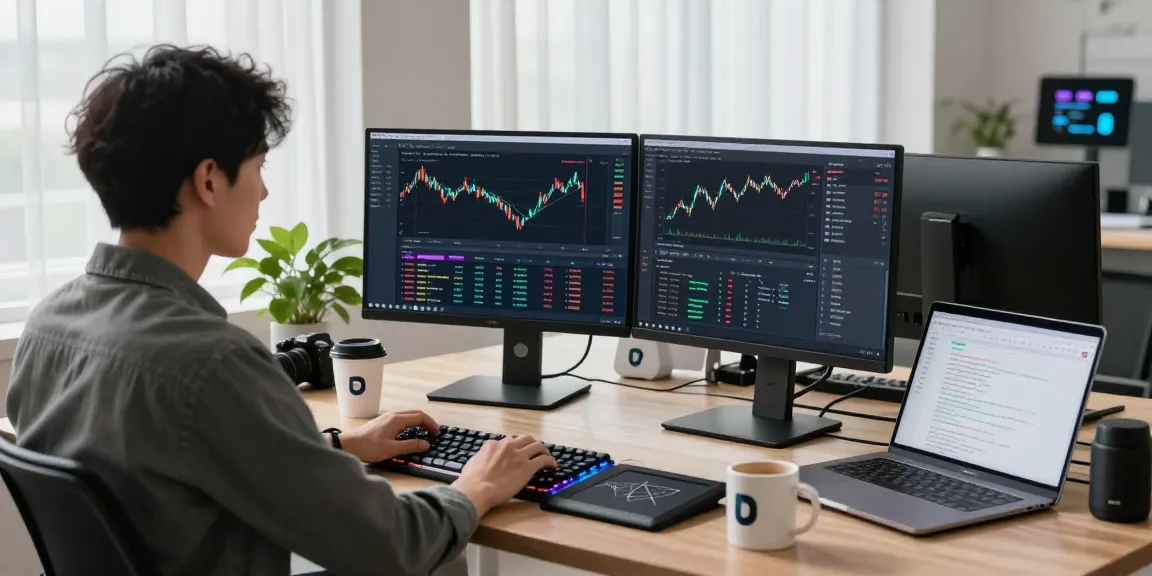
Understanding the Futures WebSocket Streaming API
In the fast-paced world of financial trading, access to real-time data can significantly impact decision-making and strategy. The futures WebSocket streaming API is designed to empower developers, traders, and research institutions with instantaneous access to market information. This technology not only enhances the efficiency of trading platforms but also expands the capabilities of quantitative research and algorithmic trading.
What is the Futures WebSocket Streaming API?
The Futures WebSocket Streaming API is a robust data infrastructure that provides live updates on futures markets worldwide. Unlike traditional APIs that rely on periodic polling, WebSocket technology facilitates a continuous two-way communication stream. This means that developers and traders receive real-time quotes, market depth, and tick data as it happens, making it a vital tool for anyone engaged in futures trading.
Key Features and Benefits for Developers
This API boasts several key features that stand out:
- Real-Time Market Quotes: Users can receive live price updates for a variety of futures contracts.
- Level 2 Market Depth: Access to comprehensive buy and sell orders, providing insights into market liquidity.
- Volume and Open Interest Data: Essential for understanding market dynamics and trader sentiment.
- Tick-by-Tick Data: Ideal for high-frequency trading strategies, offering granular data for every market movement.
These features collectively enhance a developer's ability to create responsive trading applications that can react instantly to market changes. The fidelity and speed of the data are crucial for making informed trading decisions.
How the API Enhances Real-Time Trading
The ability to process and analyze incoming data streams in real-time transforms the trading landscape. With the Futures WebSocket Streaming API, traders can execute strategies based on the most up-to-date information available. This immediacy provides a competitive advantage, allowing for rapid response to market fluctuations that may influence price movements or trading volumes.
Implementing the Futures WebSocket Streaming API
Step-by-Step Guide to Integration
Integrating the Futures WebSocket Streaming API into an existing trading platform can be accomplished by following these essential steps:
- API Access: Begin by registering for an API key with your data provider to gain access to the WebSocket service.
- WebSocket Client Setup: Use a preferred programming language to set up a WebSocket client that connects to the API endpoint.
- Data Subscription: Subscribe to specific data streams (e.g., quotes, market depth) of interest during your connection initialization.
- Data Handling: Implement logic to handle incoming data, including parsing and processing the information for use in trading algorithms or displays.
- Error Management: Create fallback mechanisms to handle connection drops or data feed interruptions gracefully.
Common Challenges and Solutions
While implementing a WebSocket API, developers may encounter challenges such as connection stability and data overload. Here are some common issues and their solutions:
- Connection Stability: Implement automatic reconnection logic to ensure your application can recover from temporary network issues.
- Data Overload: Use throttling mechanisms to manage the volume of data processed, ensuring that only essential data points are acted upon.
By anticipating and addressing these challenges, developers can create resilient systems that maintain functionality during high-traffic periods.
Best Practices for Optimal Performance
To maximize the potential of the Futures WebSocket Streaming API, adhere to these best practices:
- Efficient Data Management: Store only necessary data points to minimize memory usage and processing time.
- Regular Monitoring: Continuously monitor the WebSocket connections and incoming data streams for anomalies.
- Scalability Considerations: Architecture your application to scale horizontally, allowing for multiple connections without degrading performance.
Analyzing Market Data with the Futures WebSocket Streaming API
Understanding Real-Time Quotes and Market Depth
The main advantage of using the Futures WebSocket Streaming API lies in its ability to provide real-time market data that traders can analyze without delays. Understanding how to interpret quotes and market depth is essential for effective trading.
Real-Time Quotes are indicative of current market prices, whereas Market Depth gives traders insight into the supply and demand for a particular contract. Together, they help form a complete picture of market conditions, enabling traders to make informed decisions.
Using Tick Data for Investment Research
Tick data is vital for market analysis, especially for high-frequency trading strategies. By leveraging the continuous flow of data provided by the Futures WebSocket Streaming API, researchers can conduct in-depth analyses of price movements, trading patterns, and market behavior. This data can also be used to back-test trading strategies against historical performance, enhancing the robustness of investment models.
Case Studies: Successful API Implementations
Several leading trading platforms have successfully integrated the Futures WebSocket Streaming API to enhance their services:
- Platform X: Leveraged real-time data to improve their algorithmic trading models, resulting in a 25% increase in trade execution speed.
- Platform Y: Used market depth data to optimize order placement, reducing slippage and enhancing user satisfaction.
These implementations illustrate the transformative power of real-time market data in creating competitive trading platforms.
Future Trends in Financial APIs
The Evolution of Streaming Technologies in 2026
As we move forward into 2026, the landscape for financial APIs, especially those using streaming technology, is set to evolve significantly. Advances in network infrastructure, such as 5G and beyond, will further enhance the capabilities of APIs, delivering faster data transmission and lower latency.
Furthermore, increased demand for real-time analytics will push developers to innovate and enhance existing API capabilities, possibly incorporating machine learning for predictive analytics.
Emerging Technologies Impacting Futures Trading
New technologies like artificial intelligence and blockchain are expected to play a crucial role in shaping the future of futures trading. AI can offer predictive insights based on historical data patterns, while blockchain can enhance transaction transparency and security, ensuring that trades are processed efficiently and immutably.
Expert Predictions for Future API Developments
Experts predict that future API developments will focus on enhancing data accessibility and integration. Expect to see more APIs that are modular, allowing users to customize their data feeds according to their specific needs, thus improving user experience and fostering innovation in trading strategies.
FAQs about Futures WebSocket Streaming API
What are the advantages of using a WebSocket for futures trading?
The primary advantages of using a WebSocket for futures trading include real-time data delivery, reduced latency, and efficient communication, which are vital for executing time-sensitive trades.
How do I troubleshoot common issues with the API?
Common troubleshooting steps include verifying the WebSocket connection, checking subscription requests, and monitoring server responses to debug any issues that arise during integration.
What markets does the Futures WebSocket Streaming API cover?
The API covers a wide range of futures markets, including those related to energy, metals, agricultural commodities, and financial instruments.
Can I access historical data with the Futures WebSocket Streaming API?
While the primary focus of the WebSocket API is real-time data, historical data can typically be accessed through separate endpoints or APIs offered by the same provider.
What platforms are compatible with this API?
The Futures WebSocket Streaming API is designed to be compatible with a range of programming languages and frameworks, including JavaScript, Python, and Java, making it accessible for developers across various platforms.