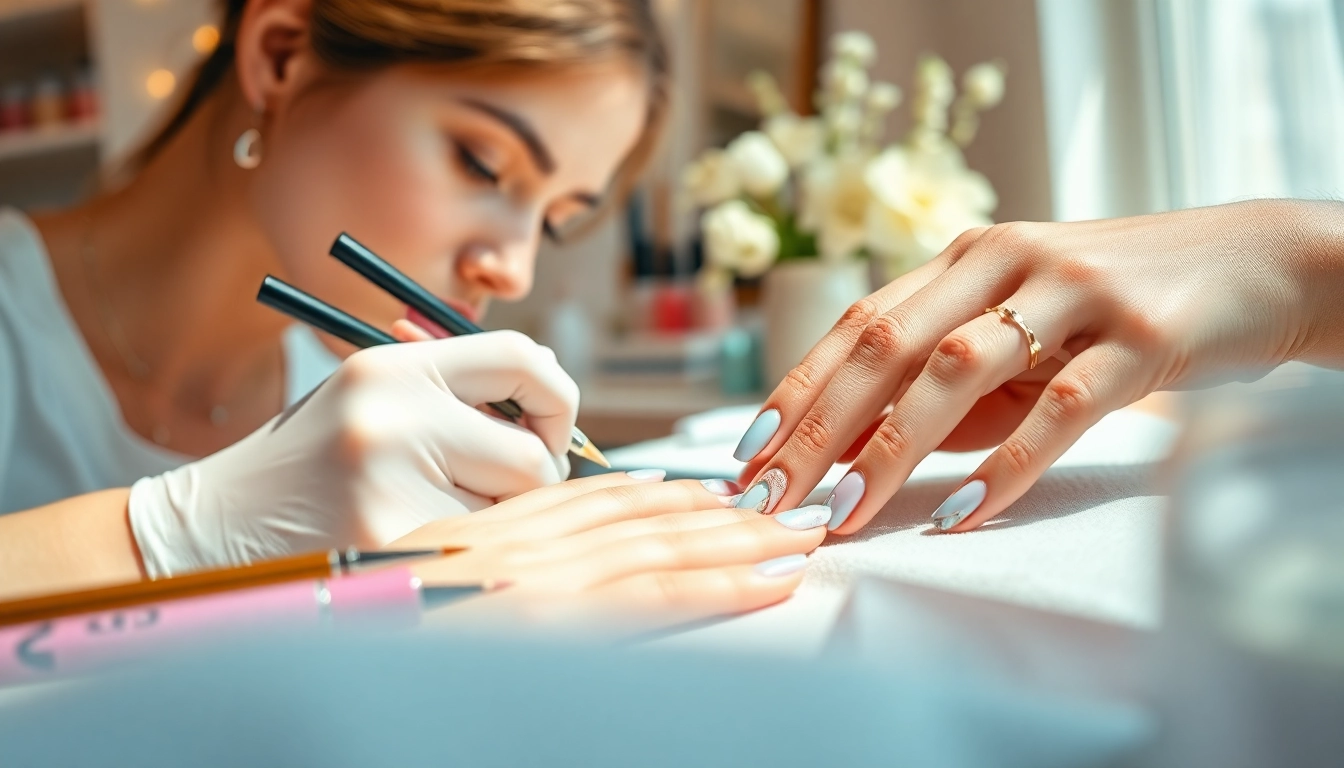
The Art of Sculpted Nails
Nail enhancements have evolved dramatically over the years, with various techniques to achieve stunning results. Among them, Sculpted nails stand out for their versatility and aesthetic appeal. Sculpted nails not only allow for creativity but also cater to individual nail shapes and personal styles. In this article, we'll explore the intricacies of sculpted nails, covering everything from techniques and styles to maintenance and care. Whether you're a beginner or a seasoned nail artist, there's something here for everyone.
Understanding Sculpted Nails
Sculpted nails are a form of nail enhancement that involves creating a nail structure from scratch using materials such as acrylics, gels, or fiberglass. Unlike traditional methods that may utilize tips placed on natural nails, sculpting involves forming the nails directly on the natural nail bed or a nail form placed under the nail. This technique allows for a customized shape, length, and design that adheres closely to the client's preferences.
These enhancements are not just about aesthetics; they can also serve functional purposes. For example, they can help protect weak or brittle nails, provide added strength, and even correct imperfections in the natural nail. Differentiating between sculpted nails and other nail extensions like tips, overlays, or press-on nails is crucial for understanding the full scope of artistry involved in nail sculpting.
Materials Used in Nail Sculpting
The choice of materials used in sculpted nails can significantly impact the final result. Here’s a breakdown of the most commonly used materials:
- Acrylic: Acrylic nails are made by combining a liquid monomer with a powder polymer. They are known for their strength and durability, making them ideal for sculpting.
- Gel: Gel nails involve the application of gel products that are cured under UV or LED light. They provide a more natural appearance and flexibility compared to acrylics.
- Fiberglass: Fiberglass nails are made with a mesh-like material that is adhered to the nail with resin. These are lighter and thinner, ideal for those preferring a less bulky enhancement.
The selection of materials can influence not only the durability and finish of the sculpted nails but also the speed of the application and removal process. Understanding the properties of each material can help nail artists choose the best option for their techniques and client preferences.
Benefits of Sculpted Nails
Sculpted nails offer numerous advantages, making them a popular choice for nail enthusiasts. Here are some of the key benefits:
- Customization: Sculpted nails can be tailored to fit any nail size or shape, catering to individual preferences and styles.
- Strength: The sculpting process adds durability, making them less prone to chipping and breaking compared to natural nails.
- Versatile Designs: They provide a perfect canvas for intricate designs, colors, and nail art, allowing for endless creativity.
- Protection: Sculpted nails can shield natural nails from damage, helping people with weak or thin nails enjoy longer-lasting enhancements.
Essential Techniques for Sculpting
Beginner Techniques for Sculpted Nails
For those new to sculpting, starting with the basics is essential. Here are some beginner-friendly techniques to consider:
- Preparation: Begin with cleaning the nails and pushing back cuticles. Buffing the nail surface lightly will ensure better adherence of the product.
- Nail Forms: Learn to use nail forms properly. Position them under the free edge of the natural nail to create the desired length and shape.
- Product Application: When using acrylic or gel, start with a small bead and gradually build the structure from the cuticle area outward.
Practice is key in mastering these techniques. Beginners should take their time to familiarize themselves with each step to achieve a flawless finish.
Intermediate Techniques for Professional Finish
Once comfortable with the basics, aspiring nail artists can transition to intermediate techniques that enhance skill and efficiency:
- Shaping: Utilize filing techniques to achieve the desired shape post-application. This may include refining the free edge and and perfecting the apex.
- Color Blending: Learn to blend colors within the sculpted nail, using ombre effects to add depth and dimension.
- Decorative Elements: Incorporate elements like glitter, foils, or gemstones for added flair while maintaining the integrity of the sculpted form.
Advanced Sculpting Techniques
For those looking to elevate their skills even further, advanced techniques can be applied:
- 3D Design: Incorporate three-dimensional nail art into sculpting for a standout look that captivates attention.
- Negative Space: This technique involves leaving sections of the nail unpolished or using clear product to create striking designs that play with transparency.
- Mixing Media: Combine different materials like acrylics and gels to create unique textures and finishes.
Popular Styles of Sculpted Nails
Trendy Sculpted Nails Designs
Keeping up with the latest trends is important in the world of nail art. Here are some of the most popular styles:
- French Tips: A classic design that can be customized with various colors and shapes for a fresh take.
- Marble Effect: This timeless technique mimics the look of marble through intricate blending of colors.
- Geometric Patterns: Angular shapes and lines are trendy, appealing to those who favor modern aesthetics.
Seasonal Inspirations for Sculpted Nails
Seasonal designs allow for creativity that reflects various times of the year:
- Spring: Pastels and floral designs are perfect for welcoming warmer weather.
- Summer: Bright colors and tropical themes evoke the essence of summer vacations.
- Autumn: Rustic colors and leaf patterns capture fall's charm.
- Winter: Sparkly and icy designs embody the chilly season.
Personalizing Your Sculpted Nails
Personalizing nails can enhance the artistic expression of the sculpted nails:
- Client Involvement: Engage clients in the design process to reflect their personality and preferences.
- Themed Designs: Create nail art based on events or occasions, such as weddings, birthdays, or holidays.
- Color Psychology: Consider colors that resonate with the client's mood or personality, adding an extra layer of intention.
Caring for Your Sculpted Nails
Maintenance Tips for Long-Lasting Nails
To ensure the longevity and beauty of sculpted nails, proper maintenance is essential:
- Regular Fill-ins: Schedule fill-in appointments every 2-3 weeks to maintain the structure of your sculpted nails.
- Moisturizing: Keep your cuticles and surrounding skin nourished to promote healthy growth and prevent peeling.
- Avoid Excessive Force: Be cautious with activities that may put strain on the nails to prevent breakage.
Common Problems and Solutions
Like any beauty treatment, issues can arise. Here are some common problems and their solutions:
- Chipping: If chipping occurs, use a clear top coat for protection and try to avoid excessive pressure on the nails.
- Yellowing: Prevent yellowing by avoiding prolonged exposure to harsh chemicals and using base coats.
- Lifted Edges: If lifting appears, an immediate visit to a professional for assessment is advised.
When to See a Professional
While at-home care is important, there are times when a professional is necessary:
- If you encounter persistent pain or discomfort around the nail.
- In case of visible infections or abnormalities on the nail bed.
- If lifting or chipping occurs frequently, indicating a possible application issue.
FAQ: Sculpted Nails Essentials
What are sculpted nails?
Sculpted nails are enhancements formed directly on the nail bed using materials like acrylic or gel, allowing for customization in shape and length.
How long do sculpted nails last?
With proper care, sculpted nails can last anywhere from 2 to 4 weeks before needing maintenance or fill-ins.
Can I do sculpted nails at home?
Yes, with the right tools and materials, beginners can attempt sculpted nails, but professional guidance is advisable for best results.
What products are recommended for sculpted nails?
High-quality acrylic, gel, nail forms, and a good topcoat are essential for achieving beautiful sculpted nails.
Are sculpted nails suitable for any occasion?
Absolutely! Sculpted nails can be customized for any occasion, from casual outings to formal events, thanks to diverse design possibilities.